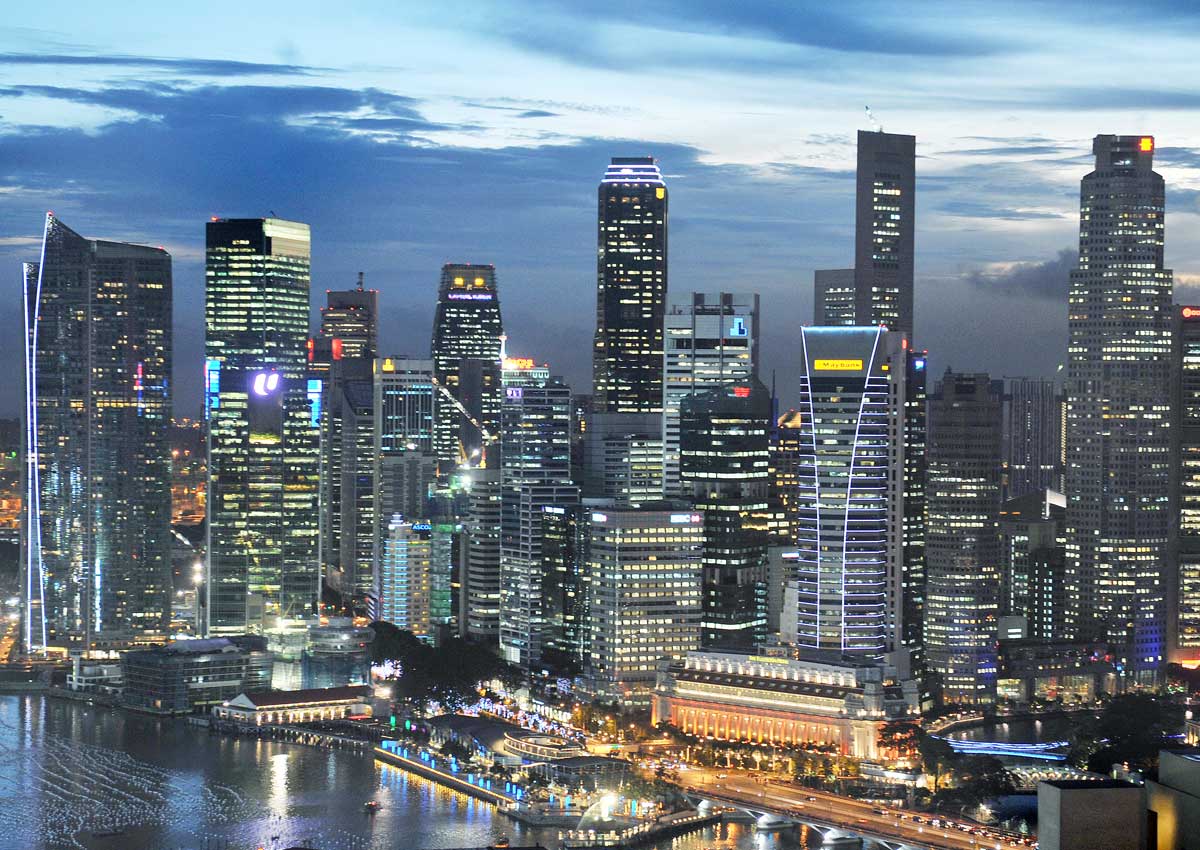
Get $8 off your taxi fare when you book via ComfortDelGro Taxi Booking App from the 19th of December to 20th December and use the promo code “STAR8”. Valid for the first 5,000 redemptions
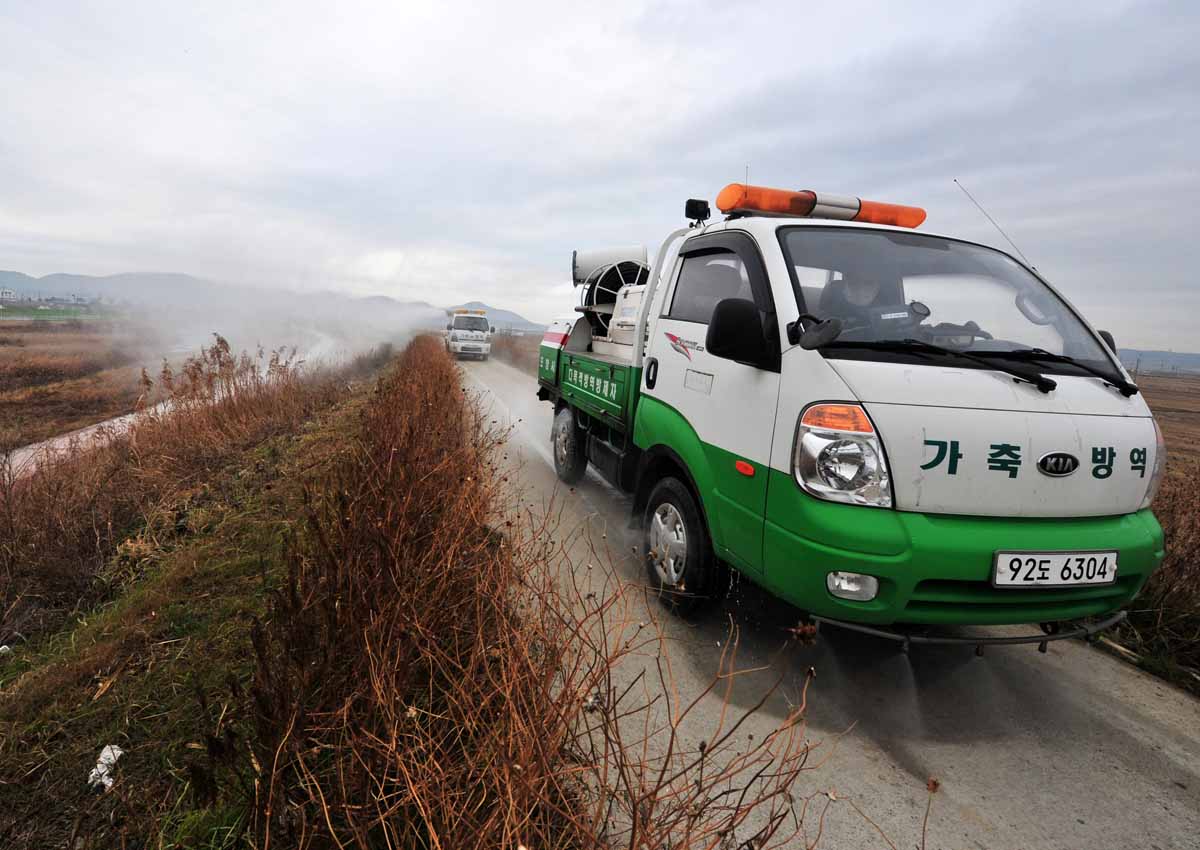
South Korean health officials disinfect a stream which migratory birds stay in winter temporarily, to prevent spread of bird flu in Pohang, South Korea, December 19, 2016. Choi Chang-ho/News1 via REUTERS ATTENTION EDITORS - THIS IMAGE HAS BEEN SUPPLIED BY A THIRD PARTY. SOUTH KOREA OUT. FOR EDITORIAL USE ONLY. NO RESALES. NO ARCHIVE.
South Korea and Japan have ordered fresh culls of poultry stocks to contain outbreaks of avian flu, authorities in the two countries said.
The South Korean Agriculture Ministry said on Monday it had ordered the cull of an additional 2.4 million birds, taking the total number to a record 18.4 million since the first outbreak of avian flu was reported at a farm on Nov. 18.
It has called the outbreak of the highly pathogenic H5N6 strain of bird flu more severe than the H5N8 strain that spread across the country in 2014 and 2015 before being brought under control.
South Korea confirms highly pathogenic bird flu outbreaks
The ministry said H5N8 was also discovered this month in the faeces of migratory birds but has not been seen at poultry farms.
In Japan, authorities on the northern island of Hokkaido said at the weekend that about 210,000 chickens were being culled after bird flu was discovered at a poultry farm in the town of Shimizu. It is the fifth reported outbreak in the country since the end of November. Nearly 800,000 chickens have been culled since then.
Parts of Europe and Israel have also been hit by the H5N8 virus. About 30,000 turkeys and ducks were culled in Germany over the weekend while France has widened high-risk restrictions to the entire country after the detection of several cases of the H5N8 strain in farms. A case of H5N8 bird flu was also reported on a farm in Britain on Friday.
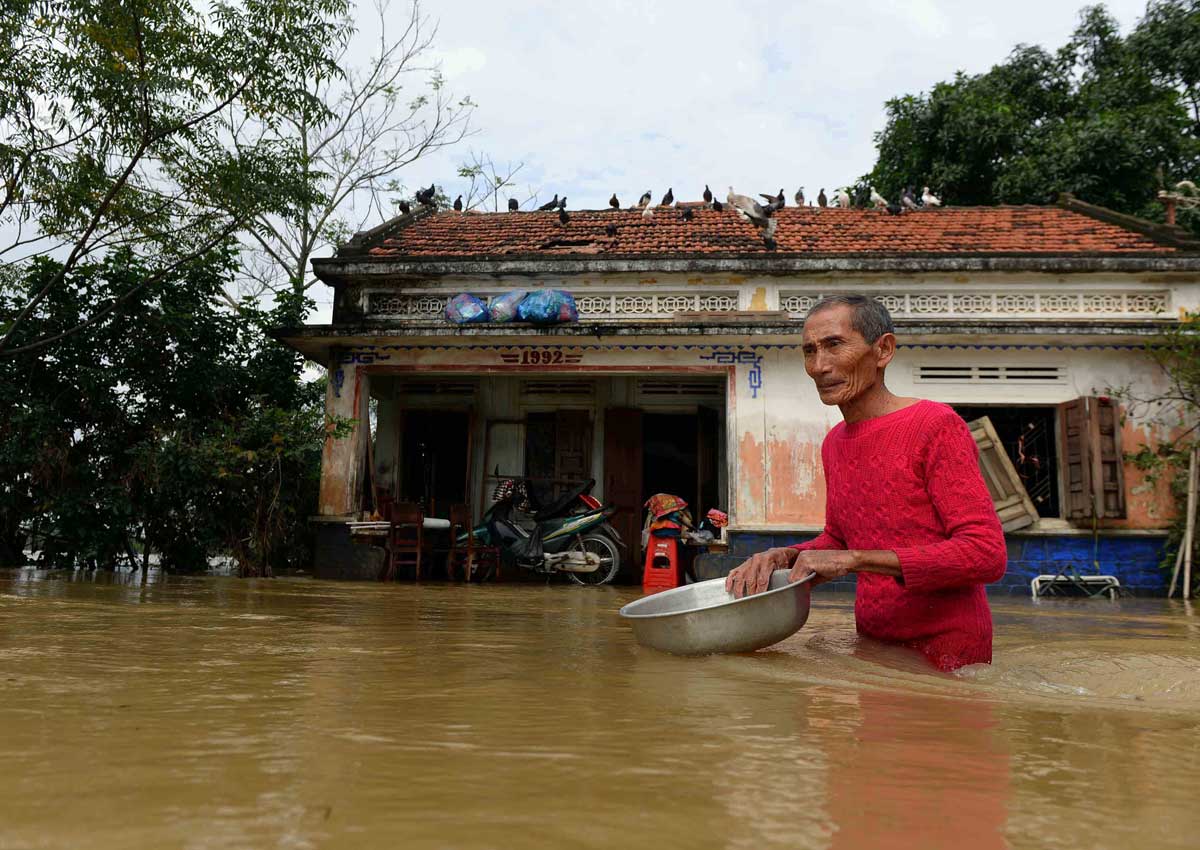
Hanoi – Days of unseasonably torrential rains have killed at least 24 people in central Vietnam, authorities said on Monday, inundating swathes of the region including the tourist draw town of Hoi An.
Vietnam regularly experiences tropical storms and heavy downpours but it is unusual for the country to see so much rain in December, during the cooler dry season that is popular with tourists.
Coastal Binh Dinh province reported the biggest death toll with 16 people killed since heavy rains began on December 12, according to an official online report from the national flood and storm control committee.
At least two more are missing in the province with hundreds of houses in remote areas currently under water.
The report said damage totalled $32 million with more than 32,000 hectares of crops destroyed.
Parts of the central town of Hoi An, a World Heritage site that boasts picturesque pre-colonial trading houses, were submerged under water.
“It is strange for our town to be hit with flooding in December,” Nguyen Thi Hon, a restaurant owner in Hoi An, told AFP adding some tourists had taken to seeing the sights by boat.
The floodwaters have receded in the last few days, she added.
But local forecasters have warned of further rains to come in the region at the end of the week.
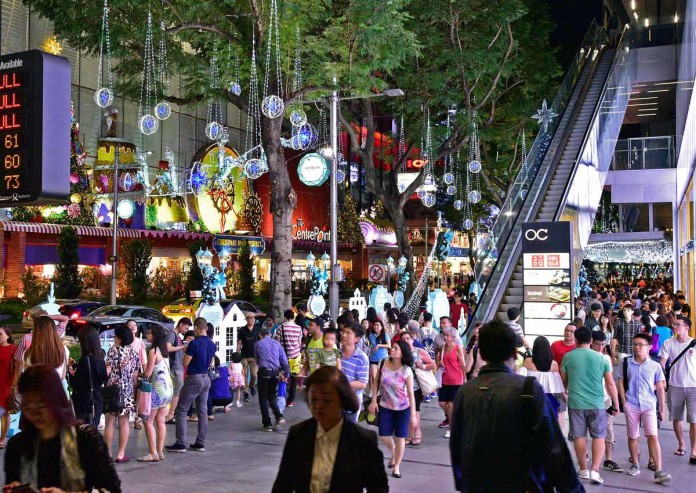
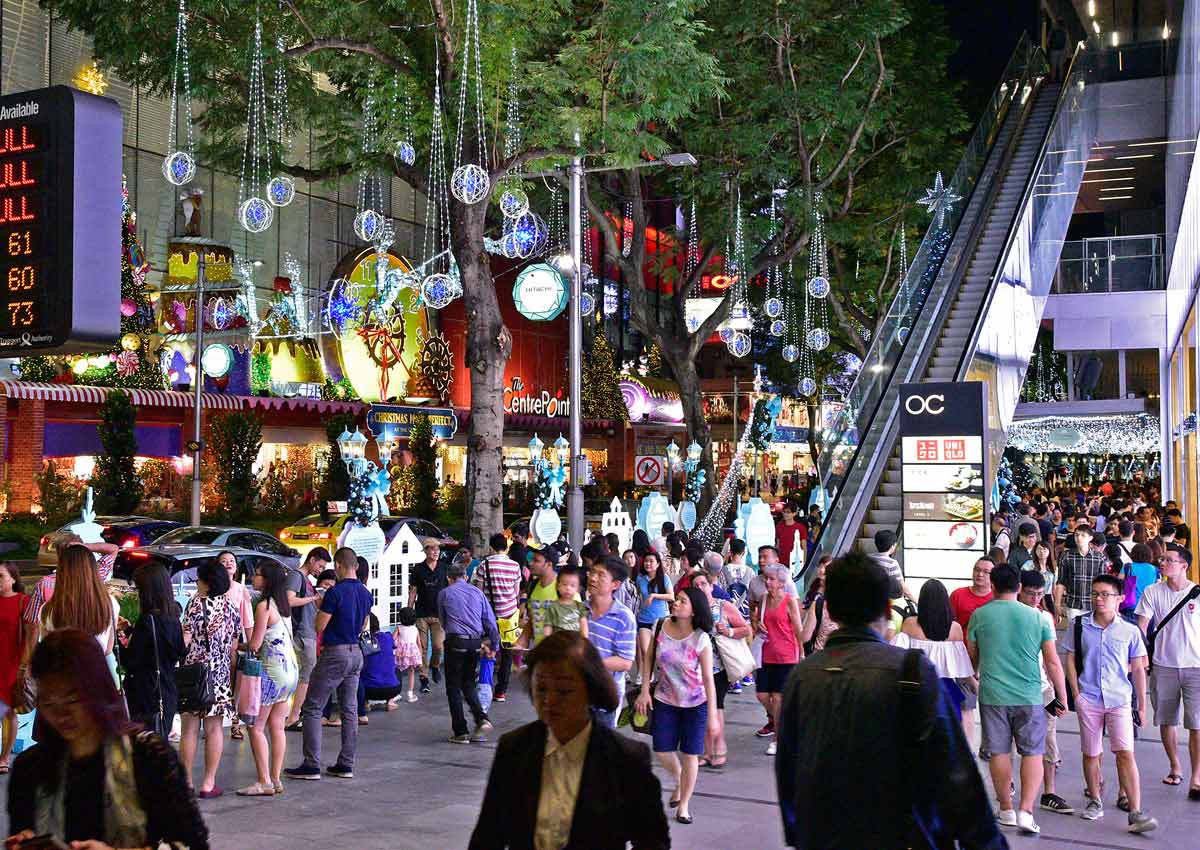
The police are stepping up security measures and checks in Orchard Road and Gardens by the Bay during the festive season, especially on Christmas Eve and Christmas Day (Dec 24 and 25) in view of the large crowds that are expected to turn up at the two areas.
The police said in a statement today that police officers, auxiliary police officers and security officers will be deployed for crowd control.
In addition, officers from the Protective Security Command and Emergency Response Teams will be on duty together with officers from the police divisions to ensure safety for merrymakers.
People are advised to co-operate with the police when they need to conduct checks on bags and personal belongings.
The police also remind women to stay vigilant against potential molesters as there were past incidents of assault after the victims’ eyes were sprayed with party foam.
The public is also reminded to show consideration to others and avoid doing anything that might annoy others or compromise their safety. The police said it will not hesitate to take action against trouble makers.
As pedestrian movement is likely to be slow because of the large crowds, people are advised to follow instructions given by security personnel and directional signs.
Stay safe with these tips from the police:
– Look after your belongings at all times
– Be cautious of strangers when approached
– Stay close to your friends or move in groups
– Avoid contact with unruly crowds
– Report any suspicious characters and activities to the police by calling 999 or SMS to 71999
– Approach a police officer or dial ‘999’ if you need urgent assistance
– For suspected terror activities, call 999 or call the Internal Security Department at 1800-2626-473
– Download the SGSecure App from Google Play Store or the Apple App Store to provide information to the authorities.
Godfrey Gao – all 195cm of him – gets off the couch and greets me with a sneeze.
No, he’s not allergic to my presence; Gao is merely nursing a bad cold. But instead of bed rest, the Taiwanese-Canadian actor-model has to do a series of media interviews.
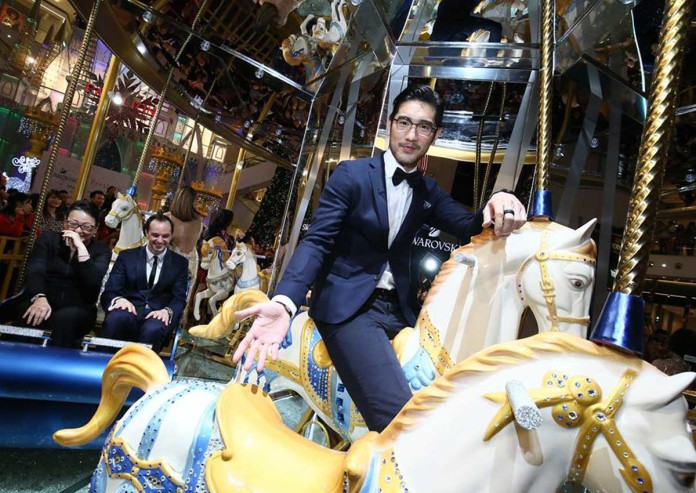
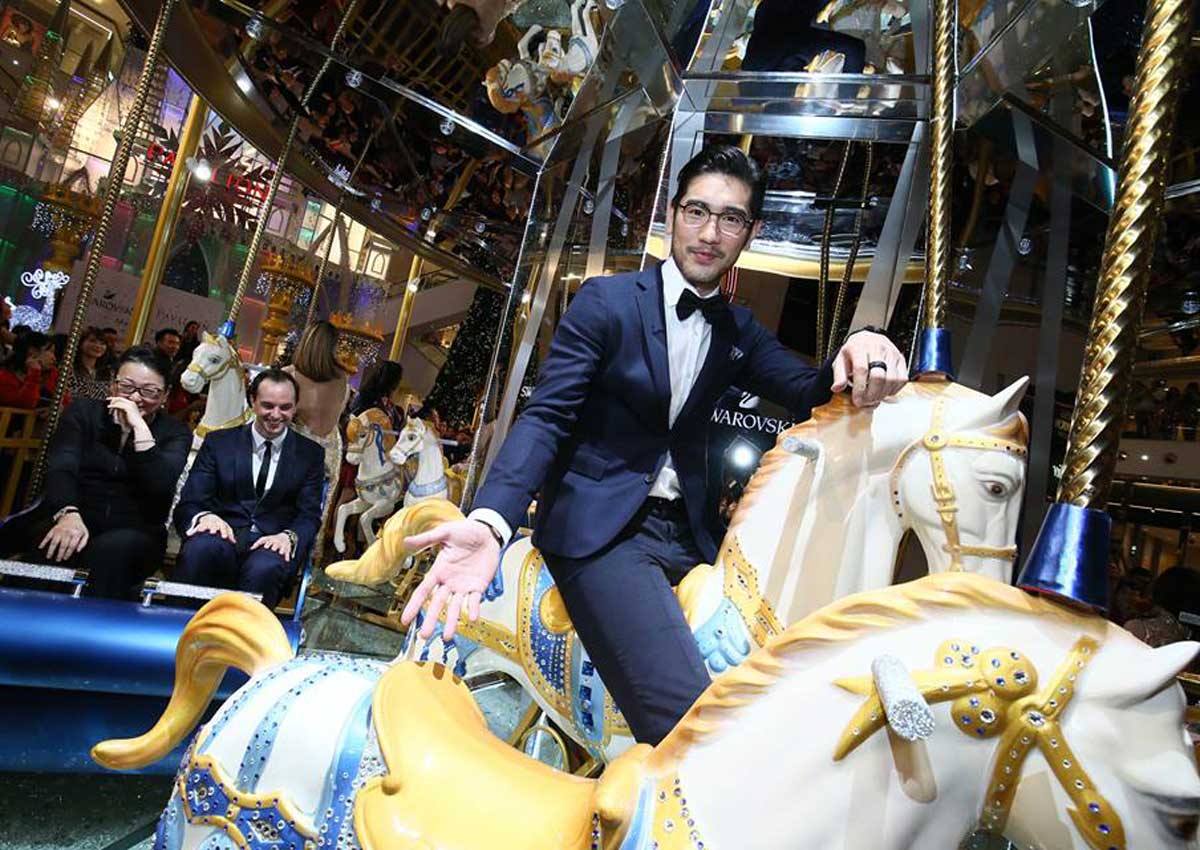
Gao, 32, was in Kuala Lumpur last month as a guest of Swarovski. He attended the lighting ceremony of the world’s first Swarovski Crystallised Merry-Go-Round in Pavilion KL.
(Each ride from the merry-go-round is priced at RM10 (S$3.20) and proceeds are donated to Charity at Heart, Pavilion KL’s CSR initiative.)
As it’s for a good cause, Gao said “yes” when he was approached by Swarovski.
<Godfrey Gao at the launch of the world’s first Swarovski Crystallised Merry-Go-Round in Pavilion Kuala Lumpur. Behind him are Aymeric Lacroix, managing director of Swarovski’s Consumer Goods Business, South-East Asia and Datuk Joyce Yap, CEO of Retail, Pavilion KL. Photo: Facebook page of Luxurious Magazine
“And I am very excited about this merry-go-round,” he enthused. “Swarovski always puts up quite the show.” Last year, for instance, it showcased Asia’s tallest Christmas tree in the same mall.
Furthermore, Gao is already a fan of the Austrian brand.
“The first time I came across Swarovski, I was just a teen. My mum had a collection of crystals in her bedroom, and her prized possession was a swan from Swarovski,” recalled Gao with a wistful smile.
“When I earned my first pay cheque from part-time work, I bought a Swarovski necklace for my mum because I knew she liked the brand. She loves jewellery, so it was the perfect gift.”
The beginnings
Born in Canada on Sept 22, 1984, Gao was raised by a Taiwanese father and a Malaysian mother of Penang origin.
His humble beginnings in life can be traced back to Vancouver, where he graduated from Argyle Secondary School.
Then, at Capilano University (in Canada), his forays into the world of sports ranged from basketball and volleyball to taekwondo. Occasionally, he indulged in his love for playing the drums or deejaying (more on this later).
He modelled in fashion shows such as Mantique, Torino and Ecko, with early screen acting credits in Canadian productions Stargate SG-1 and Still Life. He then decided to base his career in Taipei, Taiwan, where his good looks were embraced by the industry. The rest, as they say, is history.
Popularly known in the Chinese-speaking world as Gao Yi Xiang, he rose to stardom through roles in Taiwanese TV serials Momo Love (2009) and Volleyball Lover (2010). His earlier dramas were The Kid From Heaven (2006), Love Queen (2006) and Bull Fighting (2007).
Gao became even more high-profile after modelling in Louis Vuitton’s Spring/Summer 2011 ready-to-wear campaign; he was the first ever Asian male to front the French luxury brand’s campaign. He was also the brand ambassador for skincare giant SK-II Men.
In 2013, Gao made his Hollywood debut in the feature adaptation of The Mortal Instruments: City Of Bones. He played 800-year-old warlock Magnus Bane.
Gao made his Hollywood debut in 2013’s The Mortal Instruments: City Of Bones. Photo: SHAW ORGANISATION
Gao revealed that when The Mortal Instruments was turned into TV series Shadowhunters, he was approached to reprise his role.
“But I was just too busy, and in the end, they decided to go with a brand new cast.”
Harry Shum Jr (of Glee) was hired to play Bane. “He made the character very much his own. I’m happy to see that it’s a popular show, and going into its second season.”
On the big screen, Gao will next be seen in The Jade Pendant.
Directed by Po-Chih Leong, the movie is a tragic love story, set against the lynching of 18 Chinese immigrants in Los Angeles in 1871.
“We filmed it in Utah, and it’s set for release next year. We are aiming for the international film festivals,” said Gao.
“Russell Wong plays my dad; a lot of well-known Asian actors are in it. It’s a very touching project for me, as it’s about the first group of Chinese who moved to America. They worked in gold mining and explored the country, but faced discrimination.”
The timeliness of the subject matter doesn’t escape Gao, what with the recent “whitewashing” controversy in Tinseltown. (For the uninitiated, Marvel’s Doctor Strange faced a backlash with its casting of Tilda Swinton as the Ancient One, a character that is an Asian man in the comics. Similarly, the upcoming adaption of Japanese anime Ghost In The Shell was criticised for hiring Scarlett Johansson to play Major Motoko Kusanagi.)
“I think Tilda did a great job and from the looks of it, Scarlett’s going to kill it. But that’s Hollywood for you … the bottom line is still about the box office,” said Gao matter-of-factly. “To get ticket sales, you need to have familiar faces.”
“However, it is getting better in Hollywood,” he added. “There are more opportunities for Asians on the big screen. You will see a big change and hopefully, I get to be part of this change.”
Pining for Penang
For all his international success, Gao is still very proud of his Malaysian “link”.
“I haven’t been back in a while. The last time was in 2014 during Chinese New Year … I was in Penang for two weeks, and I got to see all my relatives and connect with distant cousins.”
Gao’s trip to KL for Swarovski coincided with his cousin’s wedding in Penang. “It’s a special day, and I can’t wait to go this weekend. She’s younger than me, and she’s getting married before me!”
He perks up at the thought of yummy grub that awaits him in the Pearl of the Orient.
“I can’t wait to have the famous cendol; I’m going to have two bowls of that! And visit my favourite food court in Gurney Drive.”
On Malaysian food, Gao rattles off a list of his faves: char kuey teow, nasi goreng and roti tissue. “The taste of Malaysian cuisine is so unique, I love the spices and the aroma.”
Asked about his proudest accomplishment to date, Gao answered after a pause: “Making a name for myself.”
“Contrary to belief, it didn’t come easy for me,” he mused. “Some people might say it was easy because I am tall and have great hair, but it involved a lot of hard work.
“In the beginning, I had to struggle … even now, I still audition for roles and get turned down. I am lucky to be in a position right now, where I can do other stuff besides modelling and acting. When you build a presence, you have the power to make a difference.”
A project that Gao lends his fame to is FilmAid Asia. The non-profit humanitarian organisation uses film and other media to bring life-saving information and psychological relief to refugees and other communities in need.
“I have been involved with FilmAid for the past three years, to help raise money to buy projectors and trucks, and build theatres for under-developed countries. We use film to educate and entertain displaced people around the world. I really hope to be able to visit one of the refugee camps.”
A good sport
Being an avid basketball player in his teenage years, Gao is still passionate about the sport. His love for basketball is well-documented on social media; Gao currently has 386,000 followers on Instagram (@godfreygao). He also created an Instagram account (@badboytheodore) for his adorable Pomeranian Theodore.
“I run a basketball camp every summer in China. With me as one of the coaches, the camp provides kids with a good basketball programme to improve their skills. And we always invite an NBA star (such as Ray Allen) to attend the camp.”
Gao’s love for basketball is well-documented on social media. Here, he is with NBA star Ray Allen who attended a basketball camp that Gao organised in Beijing. Photo: Facebook page of Godfrey Gao
Not surprisingly, Gao is a big believer in sports building discipline.
“I am a very sports-oriented person and it has taught me a lot. Basketball has taught me about friendship and life, and when you’re struggling, about teamwork.
“When I was in high school, I spent most of my time with my basketball coach. He becomes like your second dad, teaching you about life experiences.”
Music is also a big part of Gao’s life.
“When I first moved to Taiwan from Canada, I did part-time gigs as a deejay. It was tough at times, as I would deejay small events in between acting to earn extra cash.”
His genre of music ranges from hip-hop to R&B and old school funk. Given his celebrity status, he is now hired for special appearances; he has deejayed for the openings of H&M in Singapore and Taiwan.
“It’s one of the things where I can just let go and focus on the music. I don’t know if people listen when I’m a deejay, but they do take a lot of pictures of me,” quipped Gao good-naturedly.
On his fashion sense, Gao described himself as “a casual guy”.
“I am very comfortable in jeans and T-shirt. When I’m into a particular trend, like say, denim, I will be dressed in denim for a long time. Some days, I am into suede or vintage stuff, or plain and simple. But I pay a lot of attention to detail; whenever I buy stuff, I look at the cut and how well it’s made.”
His flair for fashion has resulted in Flagship, an e-commerce brand he established with three Vancouver-based friends. “The latest stuff we have is hats in different colours. We definitely want to expand our fashion line and create more streetwear.”
Gao has another fashion brand in the pipeline, which focuses on utility workwear for men. “We have waterproof blazers and biker jackets that come with reflectors. We want to be creative with menswear and tech fabric … I can’t wait to show everyone what we’ve done.”
On his advice for young people who want to follow in his footsteps, Gao replied: “Work hard, and be confident in what you do.
“No matter what field you’re in, always believe in yourself.”
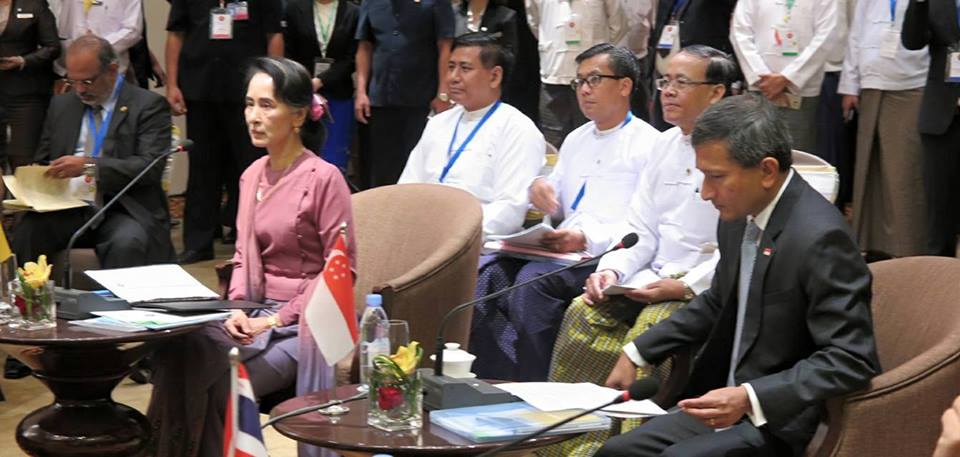
SINGAPORE: ASEAN Foreign Ministers have been briefed by Myanmar State Counsellor Aung San Suu Kyi on recent developments in Myanmar’s Rakhine state, at an informal ASEAN Foreign Ministers’ Retreat in Yangon on Monday (Dec 19).
“The ministers had an open, frank and constructive discussion on the complex situation there, including the provision of humanitarian aid,” said Singapore’s Ministry of Foreign Affairs in a statement.
In a Facebook post after the meeting, Singapore Foreign Minister Vivian Balakrishnan said the long-standing issue in Rakhine “will take time, mutual trust, goodwill and determination to resolve.” He added that the ministers discussed how ASEAN can best assist Myanmar in seeking “a viable and long-term solution for the benefit of all the affected communities in Rakhine state.”
Aung San Suu Kyi and Vivian Balakrishnan at an informal meeting in Yangon, Myanmar with ASEAN Foreign Ministers to discuss the developments in Rakhine state. (Photo: Vivian Balakrishnan/Facebook)
The crisis in Rakhine has drawn rare criticism from within ASEAN. Malaysia, in particular, has been vocal about Myanmar’s handling of violence and alleged abuses in the state. On Monday, Malaysia’s Foreign Minister Anifah Aman said progress in improving the human rights of the Rohingya people in Rakhine state had been “rather slow”.
“We believe that the situation is now of a regional concern and should be resolved together,” Mr Anifah Aman told his ASEAN counterparts.
Myanmar’s military and the government have rejected allegations by residents and human rights groups that civilians have been killed, gang raped or had their homes torched.
In an exclusive interview with Channel NewsAsia earlier this month, Ms Suu Kyi said she is committed to making the situation better but called for understanding from the international community.
“But I would appreciate it so much if the international community would help us to maintain peace and stability and to make progress in building better relations between the two communities instead of always drumming up calls for, well, for bigger fires of resentment, if you like,” she said in the interview.
Bulletproof glass has long been a critical component in military vehicles and aircraft, helping to shield their occupants from hostile fire in the battlefield.
But see-through ceramics – thinner, lighter and yet stronger – may soon take its place in Singapore’s arsenal.
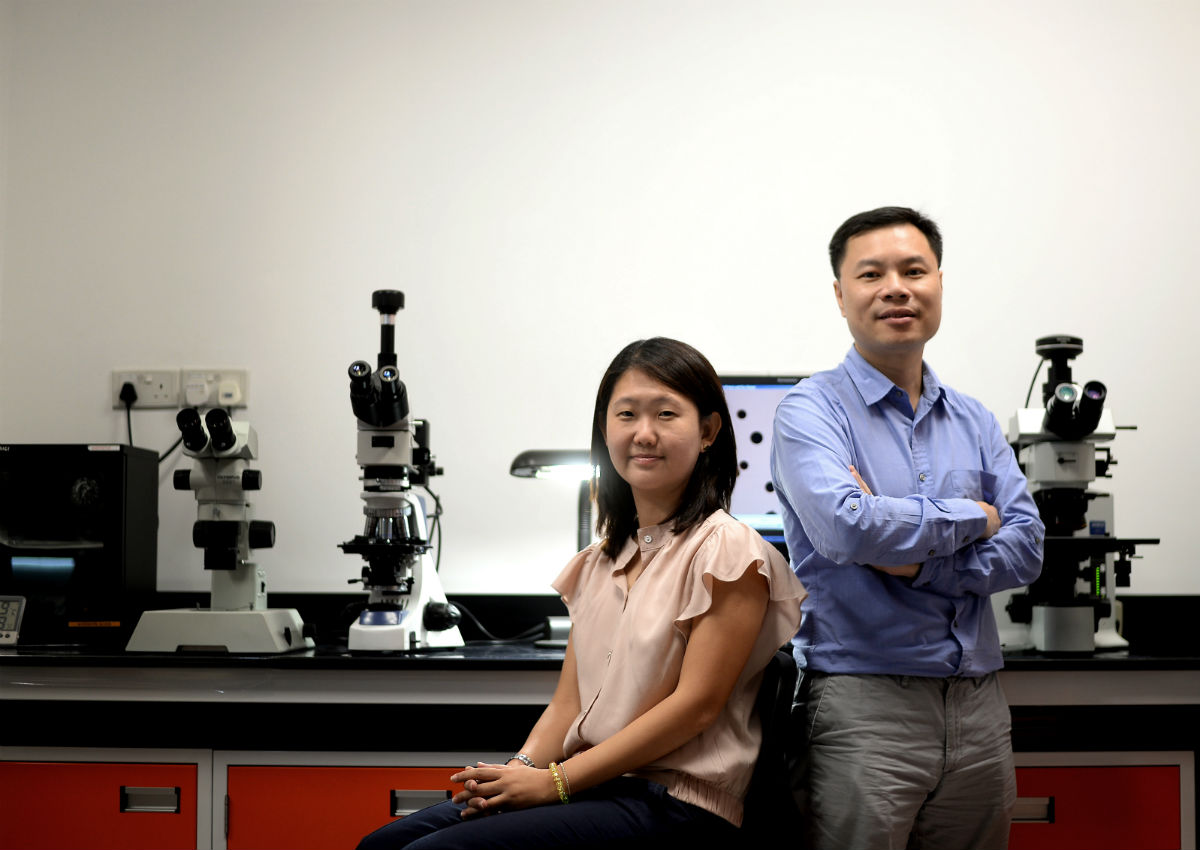
For five years, a pair of scientists toiled away in their “kitchen” in the Science Park at Kent Ridge.
Now, principal scientists Ang Seok Khim and Ernest Lau of Singapore’s DSO National Laboratories are seeing the fruits of their labour as the material goes into small-scale production while they wait for a patent to be granted.
These are the first steps towards actual use in military vehicles and other security applications such as civilian guardhouses and VIP cars.
The use of transparent ceramics will help Singapore reduce its reliance on other countries for cutting-edge defence technology, said DSO.
The two scientists’ endeavour started with a white powder – a secret ingredient – that is treated with a classified process that includes exposure to high pressure and temperatures exceeding 1,000 deg C.
This is needed to get rid of the microscopic defects that scatter light and prevent run-of-the-mill ceramic from being transparent.
The final product comprises tiny irregularly shaped crystals held together by strong chemical bonds.
The exact size of the crystals is a secret, too.
Ms Ang, 41, said: “It’s really (like) cooking… how you cut the vegetables, how long you want to cook, the temperature, how much pepper, salt and chilli.”
Like bulletproof glass, the transparent ceramic is laminated with plastic materials for actual use, but it is much harder than glass and works very differently.
While glass slows down a bullet through friction, the ceramic destroys it altogether.
First, the bullet fractures the ceramic into tiny pieces that have extremely sharp edges.
Mr Lau, 44, said: “You can picture it as millions of small little knifes.
As the bullet goes in, they shred it. This is really destroying the round (bullet).”
The ceramic, which is denser than glass, is so strong that it has to be only a tenth the thickness of glass to confer similar protection.
With the plastic lamination, the ceramic is about half the weight of bulletproof glass.
Mr Lau also explained that for a vehicle driver in the battlefield, bulletproof glass hit by bullets will shatter across a wide swathe of windscreen, preventing the driver from seeing outside.
“But for this material, the damage is so localised that… you can still see through the areas that are not hit. It means you can drive to safety.”
Other institutions here and around the world are developing transparent ceramics too.
Another institution here is Temasek Laboratories, which has facilities at three research universities in Singapore and is supported by the Ministry of Defence.
Professor Gan Chee Lip, director of Temasek Laboratories at Nanyang Technological University , explained that his institution explores the more basic properties of transparent ceramics while DSO’s work is more applied.
Prof Gan said DSO did a very good job, as a lot of engineering challenges had to be overcome to make such materials in larger sizes and quantities.
Farther afield, Germany’s IBD Deisenroth Engineering developed a similar ceramic in 2014 which it has introduced into armoured vehicles, while US company Surmet has come up with its own version, called Alon, in work funded by the US Department of Defence.
linyc@sph.com.sg
This article was first published on December 19, 2016. Get a copy of The Straits Times or go to straitstimes.com for more stories.
SEOUL – A friend of South Korean President Park Geun-hye at the centre of a corruption scandal that led to Park’s impeachment in parliament denied charges of fraud and abuse of power on Monday on the first day of her trial.
The friend, Choi Soon-sil, 60, is charged with pressuring big businesses to pay money to foundations that backed Park’s policy initiatives.
Prosecutors have named Park as an accomplice, although she has immunity from prosecution while in office.
Park’s powers have been suspended since the Dec. 9 vote by parliament to impeach her, giving the Constitutional Court up to 180 days to uphold or overturn the decision.
In a brief court hearing, Choi denied all charges brought against her by prosecutors. Her lawyer argued that Choi did not collude with Park or other defendants in the case, and also denied the fraud charge. “I need to clarify the facts now,” Choi was quoted as telling the court by Yonhap News Agency.
Two former presidential aides who have been indicted along with Choi did not attend the hearing, but their lawyers told the court that they had been following Park’s orders.
Choi also said she did not want a jury trial. South Korean courts normally hold criminal trials presided over by a panel of judges, who deliver a verdict and sentence, while defendants in select cases are given the choice of a jury trial.
Her lead lawyer, Lee Kyung-jae, rejected the charge that Choi colluded with Park and one of the former aides to the president, An Chong-bum, to exert pressure on various “chaebol”conglomerates. “We stressed that there was no collusion between Choi and An Chong-bum and the president, and we look forward to having an intense examination over this point,” Lee told reporters after the hearing.
Choi, who had not appeared in public since arriving at a prosecutors’ office on Oct. 31, was led into court by two correctional officers, her head down, wearing a bulky grey prison suit with a number across the chest.
She spoke softly and was barely audible in a brief comment to the court. The next hearing is set for Dec. 29.
MASTERMIND?
Park, 64, whose father, Park Chung-hee, ruled the country for 18 years after seizing power in a 1961 coup, has described Choi as a friend she had turned to at difficult times and apologised for carelessness in her ties with her.
Park has denied any legal wrongdoing.
Park’s lawyers arguing against the impeachment vote in an opinion filed at the Constitutional Court have said the case had no legal basis and was also procedurally flawed, and that the impeachment was based largely on unproven suspicion and charges that were now under investigation and trial. “This goes against the constitutional principle of presumption of innocence,” the lawyers said in the opinion seen by Reuters on Monday.
Prosecutors have portrayed Choi as the mastermind in several schemes to gain financial benefit from companies she controlled.
Choi’s friendship with Park dates to the time when Park served as acting first lady after her mother was killed in 1974 by an assassin who had intended to kill her father. Her father was shot dead five years later by his disgruntled spy chief.
Choi is the daughter of a religious figure named Choi Tae-min, who was referred to in a U.S. diplomatic cable as the”Korean Rasputin” for his perceived influence over Park.
The intensely private Park was long criticised for relying on a group of advisers who closely guarded access to her.
Choi Soon-sil has been portrayed in media as having inherited her father’s influence over Park, who has never married and is estranged from her siblings.
Tens of thousands of South Koreans stage protest in Seoul calling for President Park Geun Hye to resign
When freelance tutor C.K. Tan terminated an assignment with an online tuition agency in August, he was due to receive half of the paid fees.
But after delays in the two months that followed, SmileTutor stopped picking up his calls, the infocomm executive alleged.
When he contacted the agency, it said it could pay him only when the tutee did.
Mr Tan, 27, who started tutoring seven years ago, made a police report in late October.
Last month, he filed a claim with the Small Claims Tribunals to receive the $75 he was owed and took to Facebook to warn others about the situation.
Mr Tan is among thousands of freelancers who work with tuition agencies linking them to prospective students.
Such agencies do not need to be registered with the Ministry of Education (MOE).
The Consumers Association of Singapore does not handle remuneration to tutors.
And under the Employment Act, part-timers without a contract are not covered by the Manpower Ministry.
So freelancers like Mr Tan have few means of recourse when they run into payment disputes with such agencies.
Many tuition firms operate online, some boasting up to tens of thousands of tutors.
It is hard to estimate the number of online tuition agencies, but the private tuition industry is estimated to be worth more than $1 billion annually, with some 600 tuition centres registered with MOE.
While new online agencies have been opening, they also tend to close down in less than a year, said Mr Andy Chan, 35, co-owner of EdustarAsia Tuition Services.
Freelance tutors said they often do not sign a contract with online agencies but submit proof of their education background before being matched to assignments.
But when disputes occur, they tend to be swept under the carpet.
Said Mr Tan, who earns around $2,000 a month from tutoring: “Most people, including myself, often don’t want to pursue cases because it’s a waste of time and involves small amounts of money.”
Mr Tan said this was the third time he had not been paid after work he got through an agency.
He was owed $125 in 2009, which he did not recover, and around $350 in 2010, which he managed to get.
After those times, he started asking parents to pay fees to him directly after a month instead of through the agency, which generally takes a cut in the first month.
“The agency told me it was the parents’ fault as they did not pay up. I don’t know who to believe,” he added.
He has not been able to contact the parents, he said.
SmileTutor manager Tan Ruming said: “In this particular case, the tutee has so far defaulted from paying… We have been following up diligently regarding payments.”
Mr C.K. Tan still worries that agencies will take advantage of tutors.
Freelance tutors The Straits Times spoke to said they have had issues with two other firms.
A tutor who wanted to be known only as Janice, 30, said she was not informed by agency Nanyang Academics when, after a month, a client wanted to engage a new tutor who could teach more subjects.
A Facebook page she created, asking tutors with bad experiences to come forward, received more than 10 other anonymous entries against the firm, including claims that the owner did not pay them.
Mr Edwin Choy, 26, alleged that Nanyang Academics threatened to publish his personal information on social media after asking for commission from a cancelled lesson.
Mr Ethan Lau, owner of Nanyang Academics, denied this and alleged that the tutee had paid Mr Choy.
On the other Facebook claims, Mr Lau said that there had been some miscommunication.
Experienced tutors such as Ms Yap Si Hui, 30, who has spent 14 years in the field, encourage unpaid tutors to file a claim with the Small Claims Tribunals.
She said that inexperienced tutors tend to forgo their cash if tutees stop classes after one or two weeks.
On filing a claim, she said: “We have to let them know that we are also making a living. Otherwise, people can take advantage of us.”
Should there be more regulation?
National University of Singapore economics lecturer Kelvin Seah, whose research focuses on the economics of education, said: “The problem arises not because of a lack of regulation but a lack of transparency and communication regarding agency fees.”
He added: “I don’t think hard regulation would be the right answer. A best practices-based suasion approach may be more apt.”
byseow@sph.com.sg
This article was first published on December 19, 2016. Get a copy of The Straits Times or go to straitstimes.com for more stories.
For some listed firms, getting out the next annual report may prove to be a big challenge.
Besides putting together their financials in the annual report, they will also be expected to discuss non-financial matters such as management of environmental risks, supply chain partner practices and even employee satisfaction.
This arises from a Singapore Exchange (SGX) initiative requiring listed firms to publish sustainability reports for the financial year ending on, or after, Dec 31, 2017, as it joins other major stock exchanges around the world in encouraging companies to be more transparent by offering more than just financial information on their businesses.
But rather than make sustainability reporting a hard and fast rule, the SGX is adopting a “comply or explain” regime to give listed firms a chance to explain away non-compliance.
This has led to a concern that a few listed firms may be tempted to take the “explain” route as management is confronted with bigger challenges such as keeping their businesses afloat as the regional economies slow down.
Not that adopting sustainability reporting is a bad move.
Going through a firm’s financials offers few insights into the sustainability of its business mode.
Its profit and loss account may give us some insights into its profitability. But the numbers themselves do not tell us the challenges confronting a company and what it is doing to face up to them.
In order to get a flavour of that, a company will have to issue a sustainability report which maps out the different threats posed by environmental, social and governance issues and how it plans to respond to them.
There is a further incentive: Jumping on the bandwagon to do a sustainability report may even widen the pool of investors available to invest in a company’s shares, given the US$60 trillion (S$86.8 trillion) of assets under management that have signed up to adhere to responsible investing principles.
Despite the obvious benefits, a study conducted by the National University of Singapore Business School’s Centre for Governance, Institutions and Organisations and the ASEAN CSR Network showed that as at the end of last year, over 60 per cent of mainboard-listed firms are still not reporting on their sustainability practices.
That said, there is no denying that the bosses of many listed firms – especially the smaller ones – are still failing to see the merit in compiling such reports.
To them, sustainability reporting is useful only to big companies which do it as part of their efforts to attract new investors who may see areas such as environmentally friendly practices as a key threshold to a decision to invest.
In fact, for many smaller firms facing tough times as they confront a slowdown in business in major markets such as China, sustainability reporting is just more paperwork they could gladly do without as they struggle for survival.
Then there is the question of costs. One common complaint in the market is the outrageous fees which consultants want to charge listed firms – the figure can run to as high as $120,000, according to some sources – to help them comply with sustainability reporting.
As cash resources become a more and more precious commodity with worsening business conditions, some firms are very reluctant to be saddled with the new set of costs that they may have to shoulder in order to do sustainability reporting.
It led one market pundit to ask: “What happens if a listed firm steps forward to say that the reason it doesn’t comply is that it is too costly and the money saved can serve shareholders and the company better in other ways? Will that suffice as an explanation?”
Some companies, however, do get a helping hand in defraying the costs. The Maritime and Port Authority of Singapore, for instance, will help listed maritime firms to pay for half of the costs of producing the reports, capped at $50,000 per company.
Still, there are some who continue to argue on the need to keep sustainability reporting voluntary, given the costs to be shouldered by companies for completing the task.
One merchant banker said: “If companies think that they can attract investors keen on sustainability, they will do the report regardless of whether there are requirements from the SGX or not.”
For the rest of the firms yet to be convinced of its merits, there are other means to ensure a higher take-up rate, rather than using the “comply or explain” approach.
He said: “For instance, the SGX can do an annual survey to give a state of play of the larger versus smaller firms on such practices, which is similar to what the Monetary Authority of Singapore does with its annual fund management survey. This can give a good snapshot by segment of the areas of improvement which have been made.”
Another way is to offer incentives such as granting awards by sector to companies that do best in terms of sustainability reporting, he added.
But getting the SGX to change its stand may be tough as matters stand. The big challenge for firms is how to implement sustainability reporting without being crippled by the costs. One suggestion is to try to do as much of the work in-house as possible and leave only the finishing touches to the external consultant. A company’s management is, after all, in the best position to articulate the challenges it is facing and how it is tackling them.
For the sustainability report, the SGX requires a listed firm to have a discussion on five primary components – environmental, social and governance (ESG) issues; policies, practices and performance in relation to the important ESG issues; targets for the coming year; the reporting framework being used; and the board of directors’ affirmation of compliance.
And this is the carrot which company bosses overlook when they gripe about the difficulties of doing the report: Firms get to enjoy considerable latitude on how they plan to report.
They can decide on which are the material issues within the five primary components that they need to report on. They also have the discretion on the reporting framework to adopt, the implementation timeline and the need for a third party to offer assurance.
Better still, sustainability reports don’t even have to come in hefty tomes. Currently, many of them are crammed full of details of the good work which companies do, such as handing out cheques to charities. But that is not exactly information that is useful to investors.
Indeed, smaller listed firms can cover disclosures on exposure to key environmental and social risks and how these risks are being managed in a page or less – and this would have taken care of some of the reporting requirements.
Given the dearth of analyst coverage on their stocks, a good sustainability report may turn out to be another way for smaller listed firms to attract investors’ attention. How they prepare it can lead to greater investor confidence in their shares. In the end, isn’t that what it really boils down to?
engyeow@sph.com.sg
This article was first published on Dec 19, 2016. Get a copy of The Straits Times or go to straitstimes.com for more stories.