Home Blog Page 2148

2016 year in review: Photo of Changi Airport officer goes viral

0


From Pakistan to South Korea and Singapore, Internet Help found this year’s serveral showstoppers.

If you still remember, the “yan dao” policeman, whose real name is Ryan Koh, has left the market in April when he got married in an anti-theft station outside the retail outlet in Singapore. But do not worry, ooglers have now shifted their focus to a young assistant police officer at Changi Airport. We chose this year’s eye candy, Li Minwei, when his photos were posted on social media, shocked local netizens.

But these are not the only images of beauty who stormed the internet in 2016. An 18-year-old Pakistani tea seller is now a model of his blue eyes, black hair and a defined chin that draws the attention of the photographer and then uploads his picture online. While you may want to forget the descendants of the Sun that swept Asia earlier this year, you can not deny the charm of its star, Song Chung-ki. The heart not only merged his image with a captain of ave ave in Korea’s elite special forces, he also won a donation of 20 million won ($ 24,600) to an organization dedicated to helping victims of World War II sex slaves In October.

stephluo@sph.com.sg

Image:
Category:
Publication Date:
Wednesday, December 28, 2016 – 15:19
Send to mobile app:
Source:

Story Type:
Others

Source link

NTU studying ways to allow drones to fly safely in Singapore

0

SINGAPORE: Researchers at Nanyang Technological University (NTU) announced on Wednesday (Dec 28) they are studying ways to allow hundreds of Unmanned Aerial Vehicles (UAV) to fly efficiently and safely in Singapore’s airspace at any one time. 

Their aim is to develop a traffic management system for drones consisting of designated air-lanes and blocks, similar to how cars on the roads have traffic lights and lanes. 

Spearheaded by the university’s Air Traffic Management Research Institute (ATMRI) – a joint research centre between NTU and the Civil Aviation Authority of Singapore – the four-year Traffic Management of Unmanned Aircraft Systems programme will focus on airspace management solutions, collision avoidance technologies and virtual geofencing that prevents flying into restricted areas. 

Tailored to urban environments like Singapore, the research includes a management system that divides airspace into blocks – like lanes on an expressway. 

“Just like on the roads where you have multiple road users and for instance if we take the example of the bicycle track where we have e-scooters, you have cyclists and pedestrians,” said ATMRI Senior Research Fellow Faisal Mohamed Salleh.

However unlike expressways, the system would be able to dynamically designate the kind of traffic flying through each block and dictate whether it is safe for a drone to fly through each one. 

To regulate such traffic on a nationwide scale, the programme plans to establish coordinating stations capable of optimising traffic routes to minimise congestion in real time.

Also being studied is the use of current infrastructure such as open fields for take-off and landing, and having drones fly above buildings – which can act as emergency landing sites to minimise risk to the public.

The project is primarily aimed at commercial, government and industrial use of drones. But researchers say development and implementation of any system will require the factoring-in of recreational drones as well as the possible intrusion of such devices into the system’s managed airspace.

The programme is currently in the initial phase of conceptual design and software simulation, which researchers aim to complete by end 2017. This will be followed by test-bedding solutions in real-world locations like Tuas. 

Source link

Preserving a unique slice of Singapore’s rural life

0


New coffee table book features Kranji countryside’s charm, history, farms and people

Farmland accounts for about 1% of Singapore’s land. Nearly 600 hectares have been allocated to more than 200 farms – many of them in Cranty – producing food and non-food.

The agricultural sector, though small in scale, plays a strategic role in national food security and supplies about 10 per cent of food.

“We want to show Singaporeans and tourists that many aspects of Cranjee, Singapore is small, but it has its own farm; we want our country gems can be preserved.” “.

Earlier this year, the government told Lin Chikang and Crankee’s 62 farms that they had to move out by the end of 2019 to make room for the Defense Department’s new training ground.

The deadline was initially June, but the Agriculture Food and Veterinary Authority (AVA) postponed a two-and-a-half year period to give farmers more transit time.

Affected farmers will be able to tender new farmland early next year, but details of the location and size of the new plots are yet to be announced. The first batch of land sales will be launched next year, AVA said last month.

KCA president Kenny Eng said the book is a photographic journey through Kranji, past and present, with its rich heritage and diversity. “The countryside is a unique ecosystem that is mostly family-run farms … with nature reserves, ambitious cemeteries and our defense forces.” There is not a single country in the world that is so small but so rich, This book will be the only consolidated will, if it is removed, we have.

The Kranji area is home to historical landmarks such as the first landing sites of the Japanese during World War II, like this one. Photo: Bertrand Chauvel

Farmland accounts for about 1% of Singapore’s land. Nearly 600 hectares have been allocated to more than 200 farms – many of them in Cranty – producing food and non-food.

The agricultural sector, though small in scale, plays a strategic role in national food security and supplies about 10 per cent of food.

“We want to show Singaporeans and tourists that many aspects of Cranjee, Singapore is small, but it has its own farm; we want our country gems can be preserved.” “.

Earlier this year, the government told Lin Chikang and Crankee’s 62 farms that they had to move out by the end of 2019 to make room for the Defense Department’s new training ground.

The deadline was initially June, but the Agriculture Food and Veterinary Authority (AVA) postponed a two-and-a-half year period to give farmers more transit time.

Affected farmers will be able to tender new farmland early next year, but details of the location and size of the new plots are yet to be announced. The first batch of land sales will be launched next year, AVA said last month.

KCA president Kenny Eng said the book is a photographic journey through Kranji, past and present, with its rich heritage and diversity. “The countryside is a unique ecosystem that is mostly family-run farms … with nature reserves, ambitious cemeteries and our defense forces.” There is not a single country in the world that is so small but so rich, This book will be the only consolidated will, if it is removed, we have.

The Kranji Countryside – Soul Of Singapore is priced at $30 and can be bought at Bollywood Veggies, Jurong Frog Farm, Hay Dairies, Nyee Phoe Gardenasia and at Uncle William’s shop at Farmart.@sph.com.sg>


This article was first published on Dec 28, 2016.
Get a copy of The Straits Times or go to straitstimes.com for more stories.

Image:
Category:
Publication Date:
Wednesday, December 28, 2016 – 16:00
Send to mobile app:
Source:
Story Type:
Others

Source link

China’s Sichuan cannot get enough spicy marinated rabbit heads

0
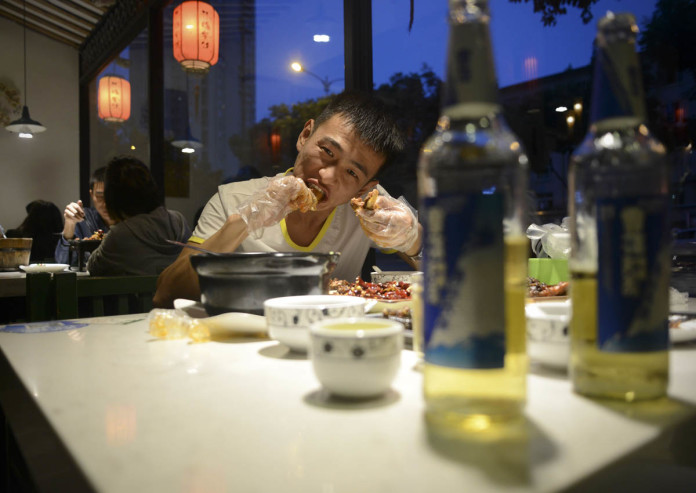
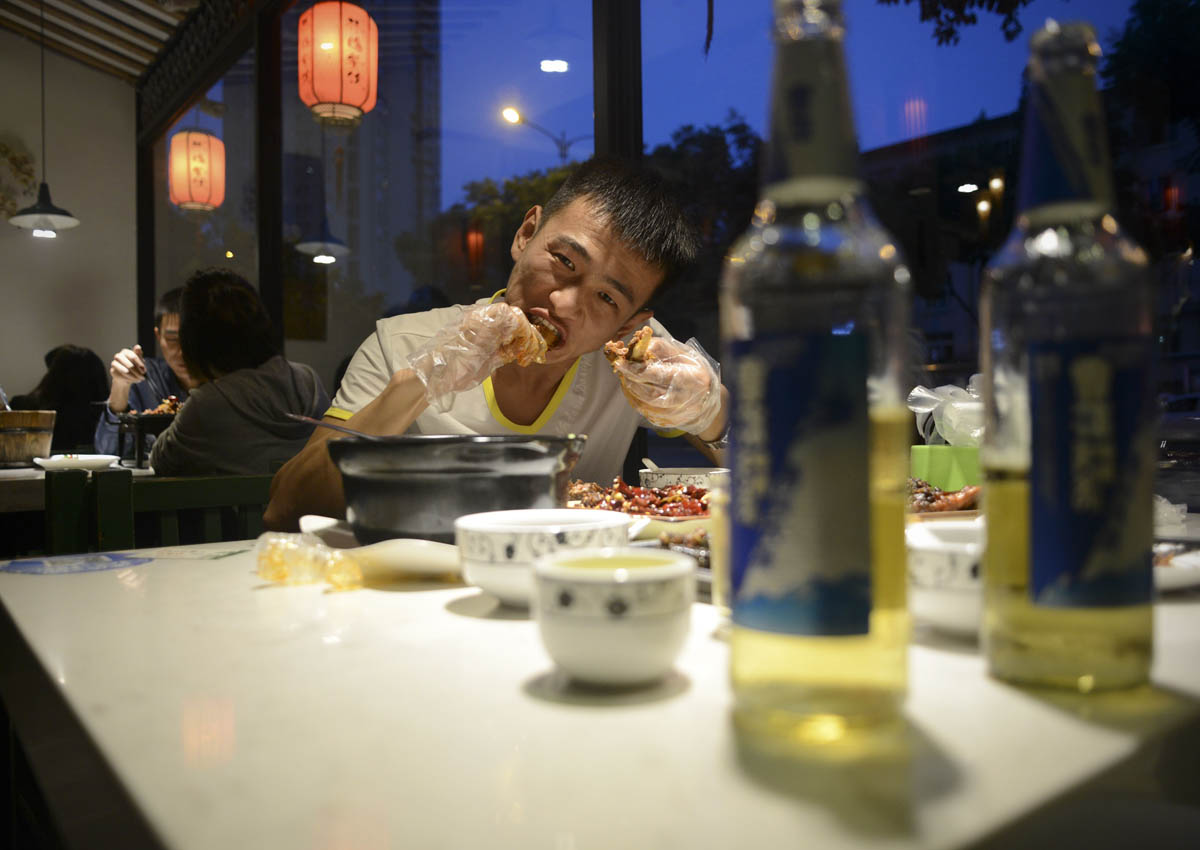
This picture taken on September 8, 2016 shows a man eating a rabbit head at a restaurant in Chengdu, in southwestern China's Sichuan province. Sichuan is renowned for its spicy, peppery local dishes: one of its favourites are bunny brains, often eaten as a late night treat on the streets of its capital, Chengdu. / AFP PHOTO / WANG ZHAO / TO GO WITH China-food-animal-rabbit,FOCUS by Julien GIRAULT


Chengdu, China –

Chinese diners avariciously cracked the delicate rabbit skulls, shook off their contents, caught up in such a popular delicacy in a province that it had to import its supplies from France.

Sichuan is famous for its spicy, chili-flavored local dishes: one of the favorite is the rabbit brain, often in the streets of Chengdu, its capital for dinner.

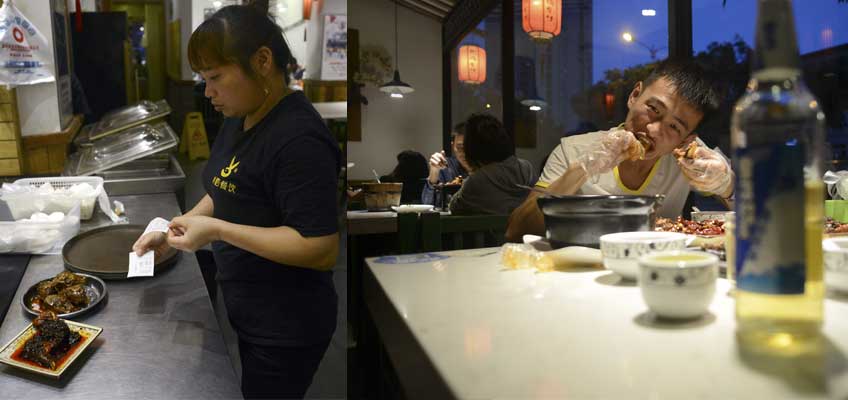
In the city’s famous restaurant Shuangliu La Tuutu, dozens of customers use gloved hands to open the skull covered with soy sauce, sucking out the brain in the satisfaction of chewing and chewing cheek.

“If the Sichuanese do not eat spicy food every day, they are not happy,” a 20-year-old woman, named Ma, with friends to eat.

“I eat at least once a week,” she added.

Westerners often avoid the animal parts – duckbill, chicken feet, head and belly – Chinese cuisine as a delicacy.

But even in China, there is little hope for the meat of the rabbits, let alone their heads. These minds are a remote province in Sichuan, isolated by mountains.

The dish is a specialty of the region – rarely found in several popular restaurants in Beijing and other major cities.

“Two of the three rabbits consumed in China eat in Sichuan,” said Wang Min, a restaurant manager in Chengdu. “The locals are proud of the snacks.

“My parents and grandparents ate them, and I grew up liking them,” she says, adding that traditions can be traced back to centuries.

“My friends in Guangxi (Southern Province) and elsewhere do not understand why we eat them,” she says, “and they can not tolerate peppers.

In Wang’s restaurant, chef Yin Dingjun said rabbit head recipe looks simple, but needs a sound technology.

“You have to drain the buns from their blood, then remove the bile” and then marinate in the broth for several hours, “he said.

“Rabbit in Chinese mythology features (” Rabbit “live on the moon), is considered by many young people to be cute, and is not considered a delicious, although in Sichuan dialect eat rabbit Head is slang for French kissing.

Although sucking on a rabbit’s head seems strange to some diners, even in China, it is the standard for Sichuan cuisine, Fuchsia Dunlop, a London-based Chinese food expert told AFP.

“There are a lot of spicy dishes, such as spicy duck head, covered with peppers and peppers,” she said.

For Sichuanese, playing with your food is part of the fun, she says, adding that they like the “grabbing factor”.

“Use your fingers and teeth to get a little bit of meat, which is part of the fun.

When night falls at Chendgu, numerous stalls selling rabbits head to locals are treated with beer washing.

“The night market is part of our culture in Sichuan,” said Rong Lipeng, vice president of Hage, China’s leading supplier of rabbit meat and products.

He sells more than 8 million rabbits per year. But in the face of huge local demand, Chinese farms are struggling to supply enough.

As a result, nearly 20% of the head of the company’s buns are imported from Europe, mainly from Italy and France, mostly frozen.

According to the French government statistics, France in 2014 to China exported 166 tons of meat and edible offal.

Hage says the head is healthy because of their little body and has now agreed to work with French company Hycole to provide breeding rabbits for its farms in China, according to French company manager Fabien Coisne.

He hoped that the taste of treatment would one day extend beyond Sichuan, but he acknowledged that the obstacles were high.

“Many of us outside the province did not dare to taste them, because the rabbit head looks terrible.

Image:
Publication Date:
Wednesday, December 28, 2016 – 14:33
Send to mobile app:
Source:

Rotator Image:
Story Type:
Others

Source link

Looking forward to 2017: Bold policy changes, but mindsets must change too

0


It was a long wait, but in July, the Ministry of Education (MOE) finally announced a major change in the PSLE ​​scoring system.

Students will no longer be rated for their performance relative to their peers.

Instead, the new system will enter into force in 2021 to encourage students to focus on their own learning rather than competition.

The current T-score system will be called the Achievement Level (AL) 8-score series, while the secondary 1-year secondary exam scores will be the sum of the AL subjects for the four subjects.

Hoping that the new system, parents will stop pushing their children to chase the last mark, rather than sending their tuition, encourage them to pursue sports or art, and cultivate the creativity and human skills they need in a turbulent, Determine the future.

But even though the announcement of the reforms, the ministry said another key policy is under review, the Direct Entry (DSA) program, which also aims to encourage students to go beyond smartphones.

These changes are expected to be announced in the next year, the new plan in the next few years to implement.

In 2004, the DSA was introduced, allowing secondary schools to expand their admission criteria beyond the PSLE ​​score.

For example, even before PSLE ​​results come out, schools can allow students to perform well in sports or art. Last year, a total of 126 schools enrolled 2,700 students through this program.

The Ministry of Education said it intends to broaden the DSA’s opportunities for students with more specific strengths in more schools, but also “strengthens the focus of DSA” to better identify specific areas of talent and achievement, rather than the general academic capacity reflected in PSLE.

Over the years, the program has been criticized as a channel to ensure that students in the most sought-after comprehensive planning schools bypass the O-level.

There are also complaints about the top schools that use it to retain the best academic talent.

Obviously, the DSA program has become another way of examing smart, academically bright students in the early days, before PSLE ​​gets the premier place in the school.

This contradicts the core objectives of the DSA program, which means giving those who have other talents the chance to shine.

Hopefully, these changes will be sufficient.

But the PSLE ​​and DSA reforms are just two parts of a bigger shift in the opportunity to expand the opportunities for children to discover their interests and talents.

Over the past few years, a number of deliberate changes have been made at all levels – from primary schools to tertiary institutions.

The results of national examinations, such as PSLE, have been released, with no top scorer being highlighted.

More schools have developed programs that foster interest in the fields of theater and dance.

The Ministry of Education is paying more attention to outdoor education. Under the Syllabus for Physical Education launched in 2014, 10 to 20 percent of primary and secondary school curricula are left to them.

As part of the new National Outdoors Adventure Education Master Plan, from 2020 onwards, all students will participate in the three cohort camps.

This shift also takes place in higher education.

Polytechnics and universities are expanding their capacity-based enrollment to allow students with incomplete results but show passion and interest to enter their chosen courses.

This is related to the broader SkillsFuture program, which advocates mastery of skills and is just a collection of eligibility.

However, even if the Ministry shows political will to slaughter more sacred cows in education, there will be no transition to more comprehensive education unless parents play a role.

I reminded the Ministry of Education of the announcement a few years ago, in the form of evaluation of primary schools to replace the examination of junior students.

Some parents entered the panic mode and began to buy expired exam papers for top primary schools.

If we continue this path, Singapore’s first position in the international benchmark will be meaningless.

As former Minister of Education Tseng Reed warned, this narrow focus on performance and exams could lead to a “spiraling paper chase”, and we will develop those who excel in exams but lack the ability to accept the future.

Bold reform of the educational system requires the collective will and action of employers, teachers, parents and students.

Parents, instead of focusing on grades, will need to recognize the unique strengths of their children and on their basis; employers will need to go beyond degrees and be recruited on the basis of skills; teachers should emphasize students’ all-round development.

The Ministry of Education must continue to adjust, or even abolish the policy of obstruction.

sandra@sph.com.sg


This article was first published on December 28, 2016.
Get a copy of The Straits Times or go to straitstimes.com for more stories.
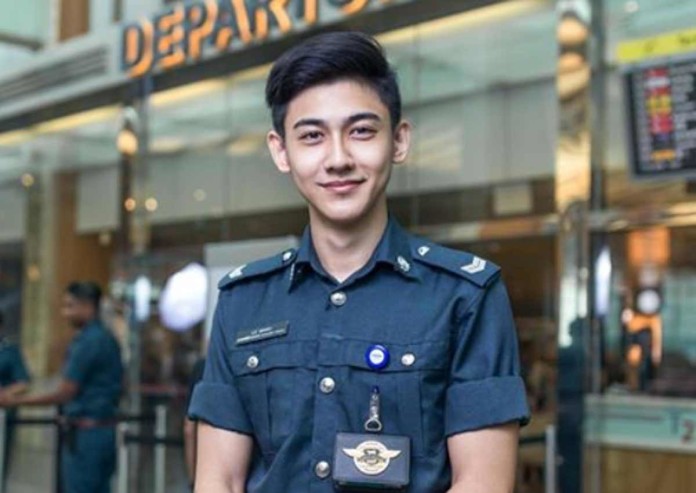

Image:
Category:
Publication Date:
Wednesday, December 28, 2016 – 15:00
Send to mobile app:
Source:

Story Type:
Others

Source link

Looking forward to 2017: Building momentum in efforts to protect local history

0


Even as 2016 draws to a close, with many notable events shaping what has been called by many a year of change, 2017 looks to be a significant year. The Straits Times looks at what to expect for housing, education and heritage in the new year.

Heritage

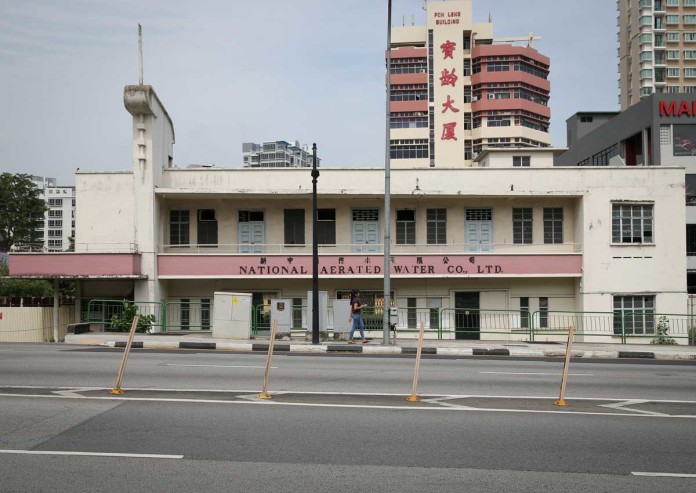
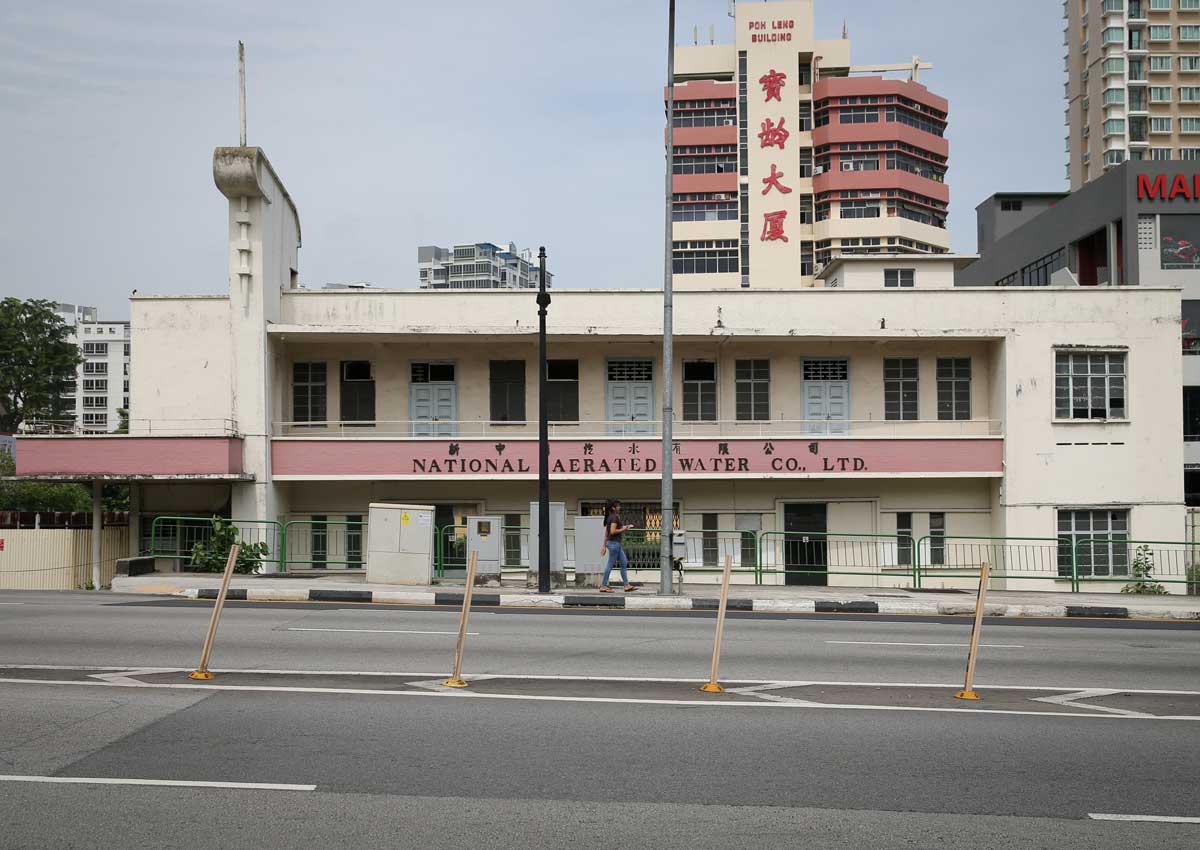
Over the years, the former state gas water plant stood, abandoned and seemed to be forgotten. Then, on December 9, there was news that a 62-year-old building on Serangoon Road was sold to a Malaysian developer, which could be flattened for an apartment.

It triggered a rigorous discussion of the heritage community, opposed the move, citing architectural history and architecture.

Although the Urban Renewal Authority (URA) later announced that the building could be preserved, its fate was still unclear and there was a compromise between the URA and the new owners.

This tension between development and conservation and preservation can be mitigated when the results of the National Heritage Commission’s (NHB) tangible heritage survey are released in the second half of next year.

The study, the first such comprehensive survey by the board, was designed to bring together a list of the main landmarks and locations in Singapore with a view to strengthening heritage conservation as part of the wider heritage and preservation of the NHB. The results will be shared with the public, and they can contribute their own personal stories and memories.

NHB’s $ 550,000 research report was awarded to art and history consultant Art Logica last year.

Kevin Tan, president of the International Council on Monuments and Sites, a member of the Art Logica team, said the public could expect “some interesting discoveries.”

Yeo Kang Shua, executive director of the Singapore Institute of Traditional Cultures, said the data would be useful if the goal in a particular region or region is to develop in the future.

“This information will enable us to understand what we can protect and, more importantly, it will form the basis for an informed, rational and objective dialogue that we can not save and take positive steps to mitigate the loss,” Dr. Yeo said.

It is expected that the findings will improve coordination among development agencies, heritage agencies and civil society.

At the same time, a team of Ethnographica, an anthropologist, was commissioned to handle NHB’s Intangible Cultural Heritage Annual Survey.

NHB said that the results may be announced in 2018. Approximately 150 types of intangible cultural heritage, including oral traditions, such as folklore, are expected to be identified.

Within the sector, greater emphasis can be placed on more complex recovery techniques and processes.

“Although we can protect buildings, if we adopt proper research, consider the design and technical or scientific, professional approach,” said Senior Minister for Home Affairs and Country Development, Ms Sandra Lee, in the October URA Architectural Heritage Awards.

Likewise, experts have been calling for more Singaporeans to be trained in technology to protect the country’s historic buildings and streetscape. This will require all players, including academics, to contribute.

Another item on the Wish List of Communities is a better public gateway between the custodians of national history and heritage data.

This is a clear trend: more Singaporeans have enough interest to visit museums and heritage institutions.

Last year, about 3.8 million people – one of the highest in history – have visited the National Museum and Heritage Institutions, up from 3 million a year ago.

Next year, new trails and refurbished galleries will be added to the portfolio.

NHB, for example, will unveil the legacy of Little India next month. To commemorate the 75th anniversary of the fall of Singapore, the Board will organize a series of guided tours of the Second World War. On February 16th, the National Archives of Singapore will reopen its memory at the Old Ford Factory Museum, focusing on the Second World War.

The National Parks Commission also launched the Ubon Ratchathani route to celebrate the island’s cultural heritage and rural character.

The Singapore Botanic Garden will open its learning forest early next year and will exhibit an exhibition at the CDL Green Gallery between late February and April. The project will showcase some of the heritage landmarks of the garden, such as the works of Eng Siak Loy from the Clock Tower.

melodyz@sph.com.sg


This article was first published on Dec 28, 2016.
Get a copy of The Straits Times or go to straitstimes.com for more stories.

Image:
Category:
Publication Date:
Wednesday, December 28, 2016 – 16:00
Keywords:
Send to mobile app:
Source:

Story Type:
Others

Source link

Looking forward to 2017: Business as usual, with 17,000 new BTO flats

0


2017 will become the housing policy changes quietly start the year behind the scenes.

On the stage, however, few fireworks are expected.

In an interview in October, Minister of State Huang Za-hua highlighted some changes.

The most important of these is the introduction of new apartments for young couples with shorter waiting times as part of a national strategy to help Singaporeans settle down and have children.

Mr Wong said he hoped to shorten the waiting time from two to three years from the current three years to four years.

They are likely to be launched in 2018.

Therefore, next year will be the time of preparation: the Housing Bureau will “plan and prepare several new sites for these BTO units” this month.

“These units will not be ready next year, but I hope we can start offering them in 2018,” he added.

Another pressing change is how to help the elderly, especially in their public housing units. ”

He did not provide further details, except that it would be delivered during his tenure.

While these changes are penetrating, there may be little action on the market.

Beyond any surprises, the biggest event of the year may just be business as usual: quarterly BTO launches, a total of 17,000 new apartments are sold.

The first, in February, will see about 4,100 units available at Clementi, Punggol, Tampines and Woodlands.

As for the resale market, Chris International Director Chris summed up the consensus of experts in the coming year: “I do not think we will see a lot of changes, we have seen price consolidation.

Over the past two years, the resale market has remained flat.

According to official data, the first quarter of this year, HDB resale prices fell 0.1%, the next two quarters completely stable.

If long-term cooling measures do not loosen, experts predict that this stability will continue until 2017, because of global uncertainty and economic weakness to resale demand weak.

Guo Weiyong, chief executive of International Real Estate Consultants, said: “Young families will be more careful to make a commitment.

Nicholas Mak, director of international real estate advisory research at SLP, said the situation could be different if economic growth and employment prospects improve, as this could lead to modest price increases of between 1% and 1.5% in the second half.

“In the absence of such a recovery, I think we may see prices around 0%,” he added.

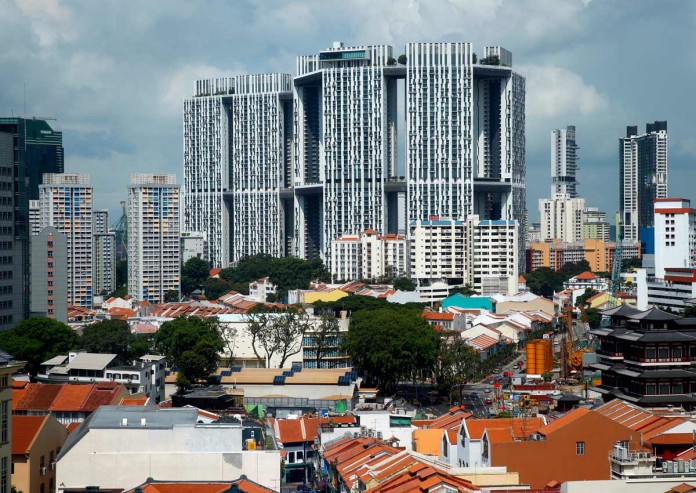
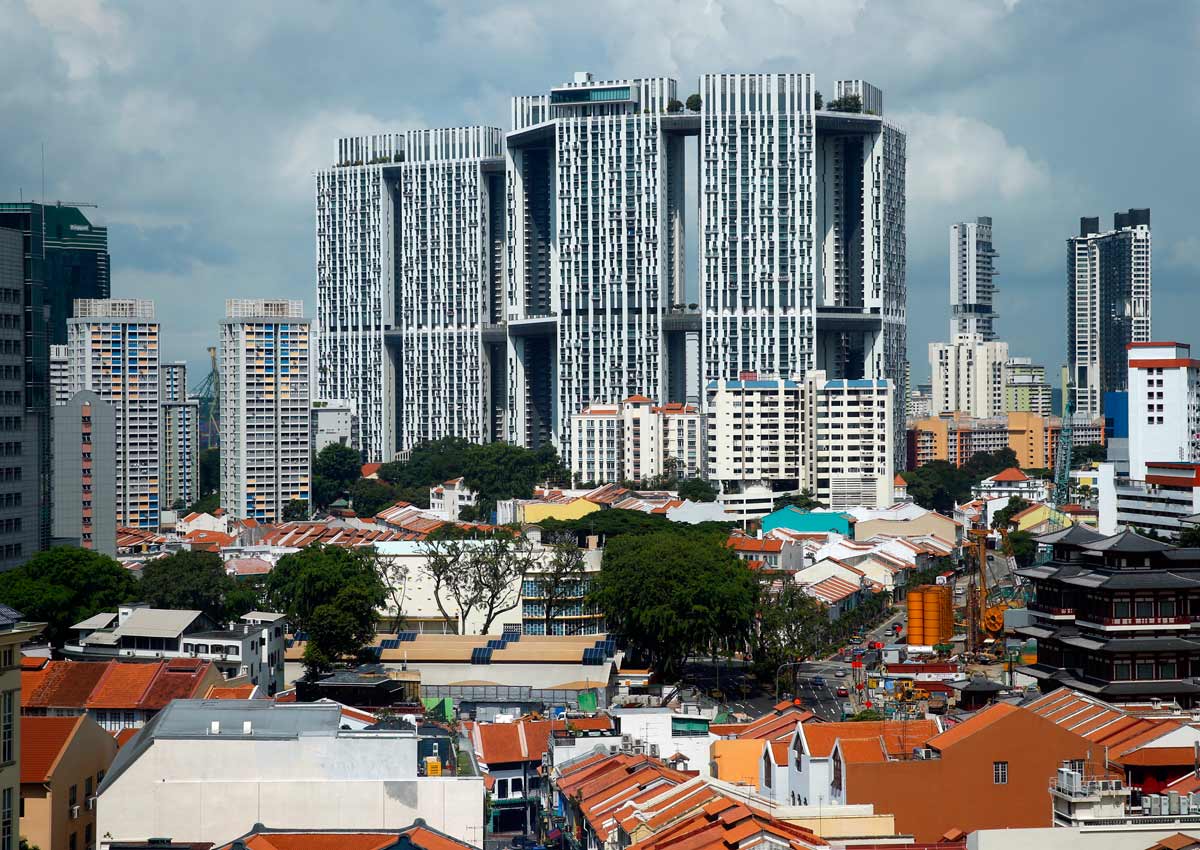
The exception is apartments located in or around the city, where he believes that the transaction volume exceeds $ 1 million – for example Pinnacle @ Duxton’s high-end project unit will continue.

The resale transaction is expected to increase as the seller adjusts to lower price standards.

For trapped real estate agents, more deals would be good news.

In addition to the slow market, the agency faces competition from its own online portal, allowing buyers and sellers to bypass the middlemen.

“The real estate agency industry needs to transform to stay relevant in 2017,” said Li Guangrong, executive director of the Real Estate Agency Industry Committee.

Some agencies have created trust for their agents to create mobile applications, and even online consumer rating agencies, he noted.

janiceh@sph.com.sg


This article was first published on December 28, 2016.
Get a copy of The Straits Times or go to straitstimes.com for more stories.
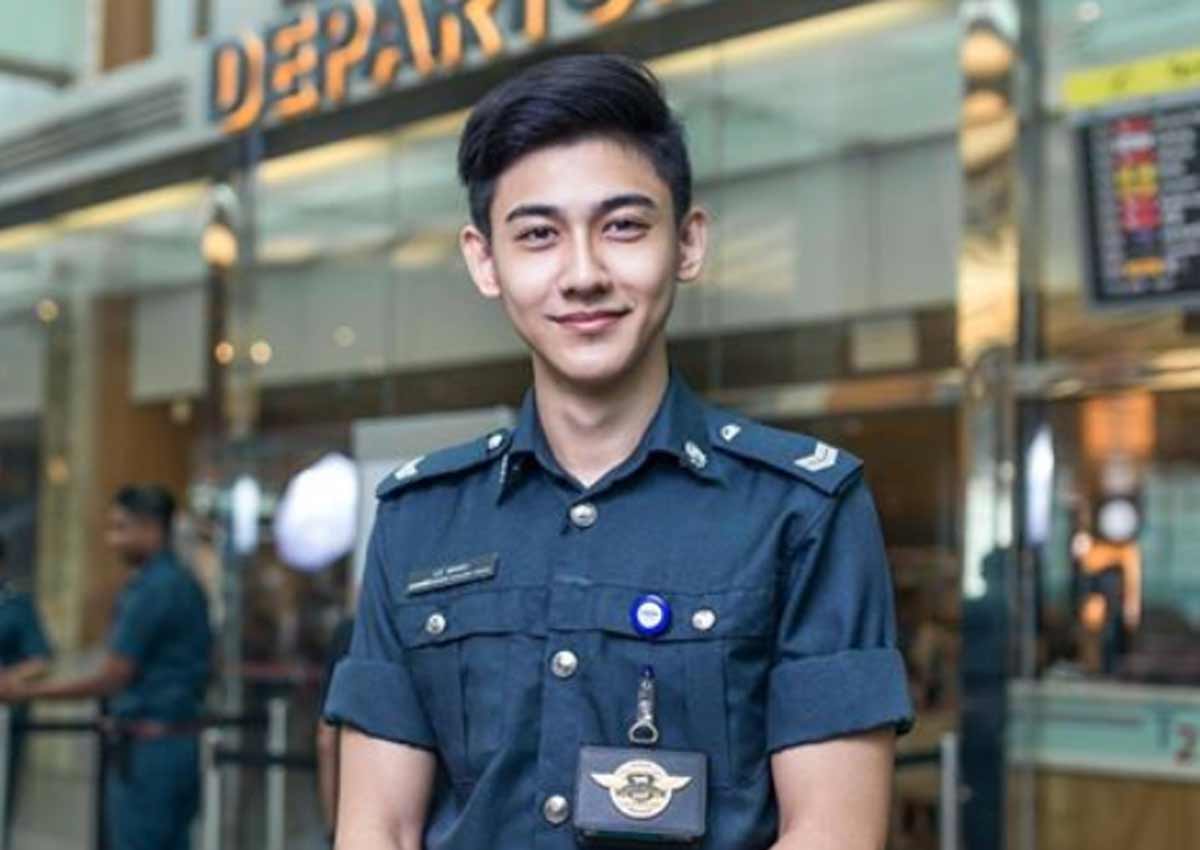
Image:
Category:
Publication Date:
Wednesday, December 28, 2016 – 15:00
Keywords:
Send to mobile app:
Source:

Story Type:
Others

Source link

Woman hurt in e-scooter crash on road to recovery

0


It was a special Christmas for the Leong family, and mom came back in the hospital three months later.

Ms Ang Liu Kiow, 53, was in a coma after an accident on 17 September, in which a 17-year-old man was on an electric scooter on Passepartout 1.

Last Friday, she spent her holiday with her family at the time of discharge.

Changi General Hospital doctors said she woke up the opportunity is very small, the family is ready for the worst case.

She had two brain manipulations and suffered multiple strokes.

Ms Weng wakes up from a coma in October and can now move and speak short sentences.

She is still learning to stand and walk, and must use a wheelchair.

On Christmas Eve, “Stranger” worker Leong Loon Wah said: “I’m glad my wife came home and just wanted her to get better.

He said she began to show signs of consciousness in early October.

“She can open her eyes, it’s like a light of hope to us, doctors and other medical staff, she can try physical therapy, she responded very well.

Mr. Liang spent two hours a day at his wife’s bedside while she was unconscious in a life-support intensive care unit. He massaged her and made her better.

Their son, 16-year-old Dominic, has recently won the N-level at Coral School.

He did a good job scoring nine points.

He said his father, who was crying in the hospital, was more optimistic because his mother was getting better.

The couple also has a daughter, 26 years old, a nurse, another son, 22 years old, college students.

The family thought Ms. Ang was a housewife, and when the accident occurred they were on business.

Teenagers have been arrested and the police are investigating.

This event led to more stringent rules to prevent duplication of such incidents, as well as personal mobile device (PMD) users purchasing third-party insurance.

From May to October, the LTA provided more than 860 warnings to people who found bicycles, electric bikes and other PMDs on footpaths and bicycle lanes.

Family members have not heard of young people, but Mr Leung said they were not angry.

“We do not know who is right or wrong.

Ms. Ang hired a maid, who no longer needed tube feeding, and could eat porridge and other soft foods.

Her medical and hospital expenses totaled more than $ 100,000, most of which was financed through a financial aid program.

The family is checking whether insurance can cover other expenses.

Mr Leung earns more than $ 1,000 a month and worries about the cost of physical therapy for his wife, but says that if they try to save, they can get it.

“No matter how difficult it is, I have to take care of her and stay with her, after all, we have lived together for so many years,” Mr Leung said.

They will celebrate their 30th anniversary wedding anniversary in May.

yuensin@sph.com.sg


This article was first published on December 28, 2016.
Get a copy of The Straits Times or go to straitstimes.com for more stories.

Image:
Category:
Publication Date:
Wednesday, December 28, 2016 – 15:00
Keywords:
Send to mobile app:
Source:

Story Type:
Others

Source link

Roads to be closed for Suntec City countdown street party

0

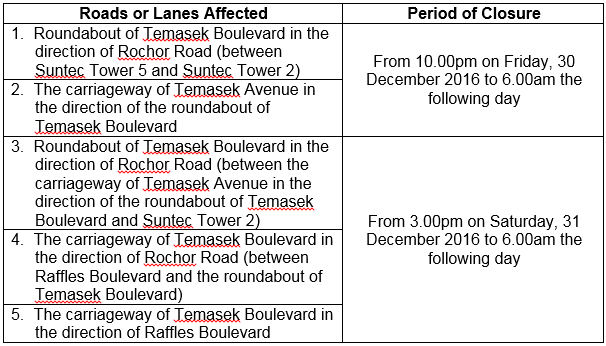
SINGAPORE: To facilitate Singapore’s largest countdown street party on New Year’s eve, some roads near Suntec City will be closed to vehicular traffic temporarily, the Singapore Police Force (SPF) said on Wednesday (Dec 28).

Mediacorp Channel 5’s Celebrate 2017: Countdown with the Stars, which will be held at The Fountain of Wealth at Suntec City will have a rehearsal on Friday before the actual event on Saturday.

Accordingly, some of the surrounding roads will be closed during this period: 

SPF said that during the road closures, access will only be granted to police and emergency vehicles. 

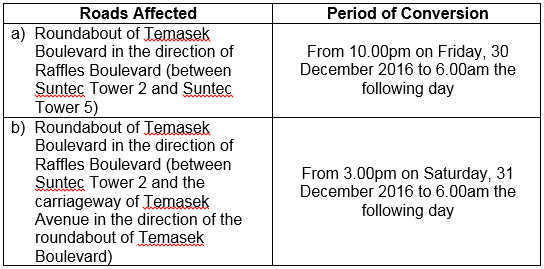
In addition, the following roads will be converted to two-way roads to facilitate traffic management: 

Parking restrictions will be strictly enforced and vehicles found parking and causing obstruction will be towed, the police added. 

Source link

Certis Cisco recruiting officers from Taiwan

0


Private security company Certis Cisco first hired Taiwanese nationals as APOs, making them the first potential employees not to be Singaporeans or Malaysians.

Recruitment will begin next month, Cisco Cisco hopes to hire 120 college graduates, aged 20 to 40 years, a two-year contract.

The company did not say why it was recruiting from Taiwan, but Cisco’s Cisco spokesperson told the Straits Times that the unprecedented move would strengthen its resources and ease the labor squeeze.

“The shortage of manpower is a long-term situation in Singapore and we have been working with the authorities to recruit from the appropriate other sources,” she said.

APOs are trained in areas such as weapons disposal and counter-terrorism.

They can also be deployed to a variety of locations, such as immigration checkpoints, to manage traffic and crowds, and to conduct security checks on people, goods and vehicles.

The spokesman said that the specific scope of the deployment of new officers would depend on the needs of different places and on the suitability and ability of new arrivals.

She said that Certis Cisco had to get permission from the authorities before deploying the APO for recruitment and declined to comment further on specific roles or deployment areas.

The role of the ads initially appeared in Taiwan on Friday jobs, he said, the duties of these officials, including patrols, armed security services and monitoring at the checkpoint, and immigration checks.

Upon completion of the contract, the eligible person will receive an additional bonus of NT $ 60,000 ($ 2,700) per month.

They are also eligible for overtime.

According to a survey released last year by Taiwan’s labor ministry, salaries were higher than the average initial graduate wage in Taiwan of about $ 27,000.

Will also provide accommodation for Taiwan APO.

Prior to deployment, new officials will receive nine weeks of training, they will study Singapore’s basic laws and counter-terrorism efforts, and accept the health test.

Candidates also need to be able to read, write and talk in English.

Certis Cisco currently employs more than 3,500 APOs, all of whom are Singaporeans or Malaysians.

Earlier this year, Interior Minister Judge K. Shanmugam said about half of the 7,000 APOs were Singaporeans, including APOs from Aetos and Certis Cisco.

He is addressing the issue raised by parliamentarian Sylvia Lim of the Workers’ Party, which the Malaysians consider to be a large number of APO positions.

Mr. Shanmugam said that only Singaporeans, Singapore permanent residents are Malaysian citizens or Malaysians eligible to become APOs.

He added that only Singapore’s APO was deployed at Singapore’s land checkpoint.

This is the government’s prudent action despite the manpower challenge, as it recognizes the impact of recruiting and deploying the Malaysian APO, he said.

tammei@sph.com.sg


This article was first published on Dec 28, 2016.
Get a copy of The Straits Times or go to straitstimes.com for more stories.

Image:
Blurb:
Publication Date:
Wednesday, December 28, 2016 – 14:30
Send to mobile app:
Source:

Story Type:
Others

Source link