SINGAPORE: Flowers, crescents and ketupats (rice dumplings). These are some of the festive motifs that some of Singapore’s trains and buses will feature between Friday (Jun 8) to Jul 7, in celebration of the Hari Raya festive season.
The Land Transport Authority (LTA) said in a factsheet released on Friday that there will be two Hari Raya-themed trains – one on the North-South and East-West Lines and the other on the Downtown Line.
The interior of one of the themed trains. (Photo: LTA)
Five themed buses – services 28, 70, 76, 154 and 197 – will also ply through Geylang Serai – where the popular Geylang Serai Bazaar is located – and areas such as Ang Mo Kio, Jurong East, Tampines and Toa Payoh “to bring the festive cheer to the heartlands”, LTA said.
A bus decorated with Hari Raya-themed motifs. (Photo: LTA)
In addition, the Integrated Transport Hubs in Bedok and Boon Lay will also be decorated with Hari Raya embellishments for the first time “to drum up the celebratory spirit of the festive season”, the authority added.
Paya Lebar MRT on the East-West Line will also be turned into a Hari Raya-themed station.
The Integrated Transport Hubs in Bedok and Boon Lay are being decorated with Hari Raya embellishments for the first time. (Photo: LTA)
The themed vehicles and stations are a collaboration between LTA, SBS Transit, SMRT and the Geylang Serai Constituency.
“Collaborating with community to create themed trains, buses, stations and Integrated Transport Hubs is part of LTA’s efforts to improve the commuting experience and foster a positive commuter culture,” it stated in the factsheet.
SINGAPORE: Site investigations carried out to study the impact of two alignment options for the underground Cross Island Line (CRL) in the vicinity of the Central Catchment Nature Reserve have been completed, the Land Transport Authority (LTA) said on Friday (Jun 8).
Findings from the investigations suggest that wildlife are present in the area, with camera traps picking up the presence of animals such as the Sunda Pangolin and the Lesser Mouse-deer, said the authority.
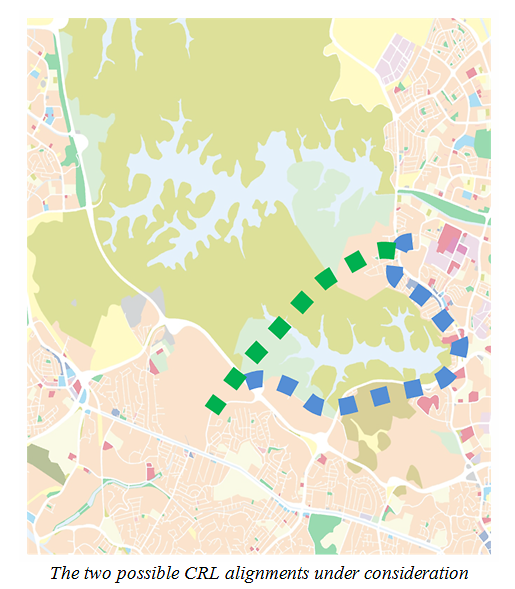
The alignment of the CRL, which is targeted to be completed around 2030, has created some controversy among environmentalists and nature groups as the direct alignment option cuts through the Central Catchment Nature Reserve. A second skirting alignment option goes around the reserve.
(Image: LTA)
The site investigations took place between May 2016 and September 2017 as part of efforts to assess the feasibility of the two CRL alignment options.
“Monitoring results from cameras and transect surveys from the (site investigation) works for the direct alignment suggested that fauna are present in the area,” said LTA.
Photos released by LTA showed Sunda Pangolins both before and after the site investigation works near Sime Trail in the reserve.
“Our camera traps picked up (the) presence of animals like the Sunda Pangolin and Lesser Mouse-deer after the completion of SI works. The findings were encouraging and validated the mitigation measures developed,” said Dr Goh Kok Hun, LTA’s director of civil design and land.
Mitigation measures involved efforts such as reducing the number of boreholes required, from 72 to 16, and making sure these were on existing trails and clearings within the nature reserve, according to LTA.
The findings of the site investigation works will provide LTA with information on underground soil conditions, as well as provide input for Phase Two of the Environmental Impact Assessment (EIA), which will assess the impact of construction and operations for the two alignment options.
Phase Two is ongoing and is expected to be completed later this year, said LTA.
The authority said it would finalise the CRL alignment after results from Phase Two of the EIA have been studied and discussed with stakeholders.
SINGAPORE: Motorists can expect traffic delays and disruptions from Saturday (Jun 9) on roads surrounding the Special Event Areas in the run up to Tuesday’s Trump-Kim summit.
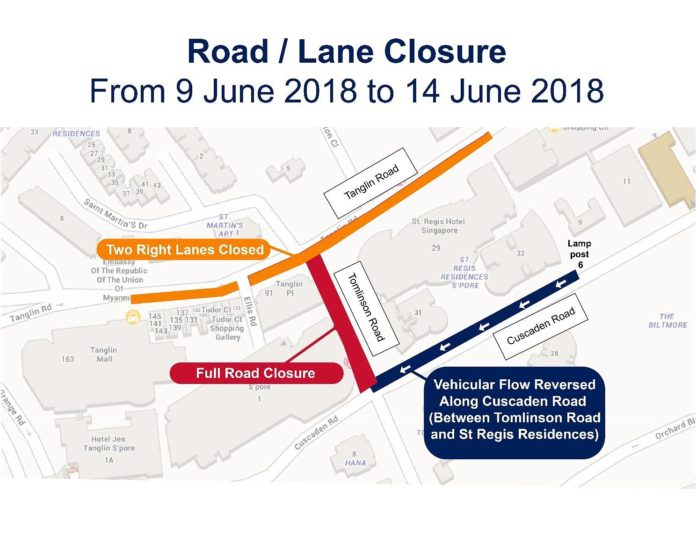
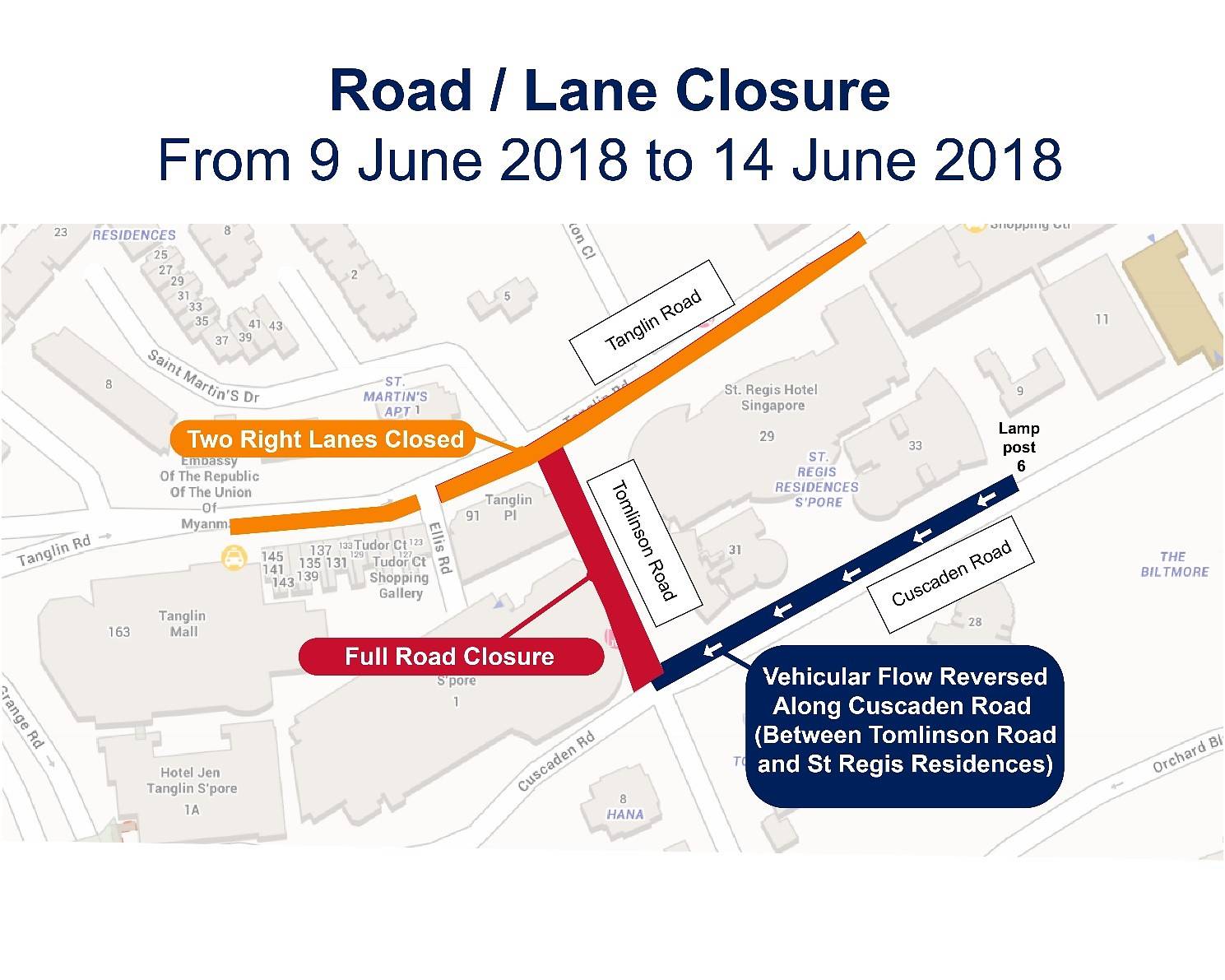
Roads around St Regis Hotel – Tanglin Road (two right lanes are closed), Tomlinson Road, Orchard Boulevard and Cuscaden Road – will be affected between Saturday and next Thursday. Vehicular traffic along Cuscaden Road, between Tomlinson Road and St Regis Residences, in the direction of Orchard Road will be reversed.
Roads around St Regis Hotel will be affected. (Photo: SPF)
Roads around Shangri-La Hotel, such as Anderson Road and Orange Grove Road, will be affected between Sunday and Thursday.
Closer to Capella Hotel, where the summit will take place, Keppel Road, Telok Blangah Road and Sentosa Gateway will be affected from Tuesday to Wednesday.
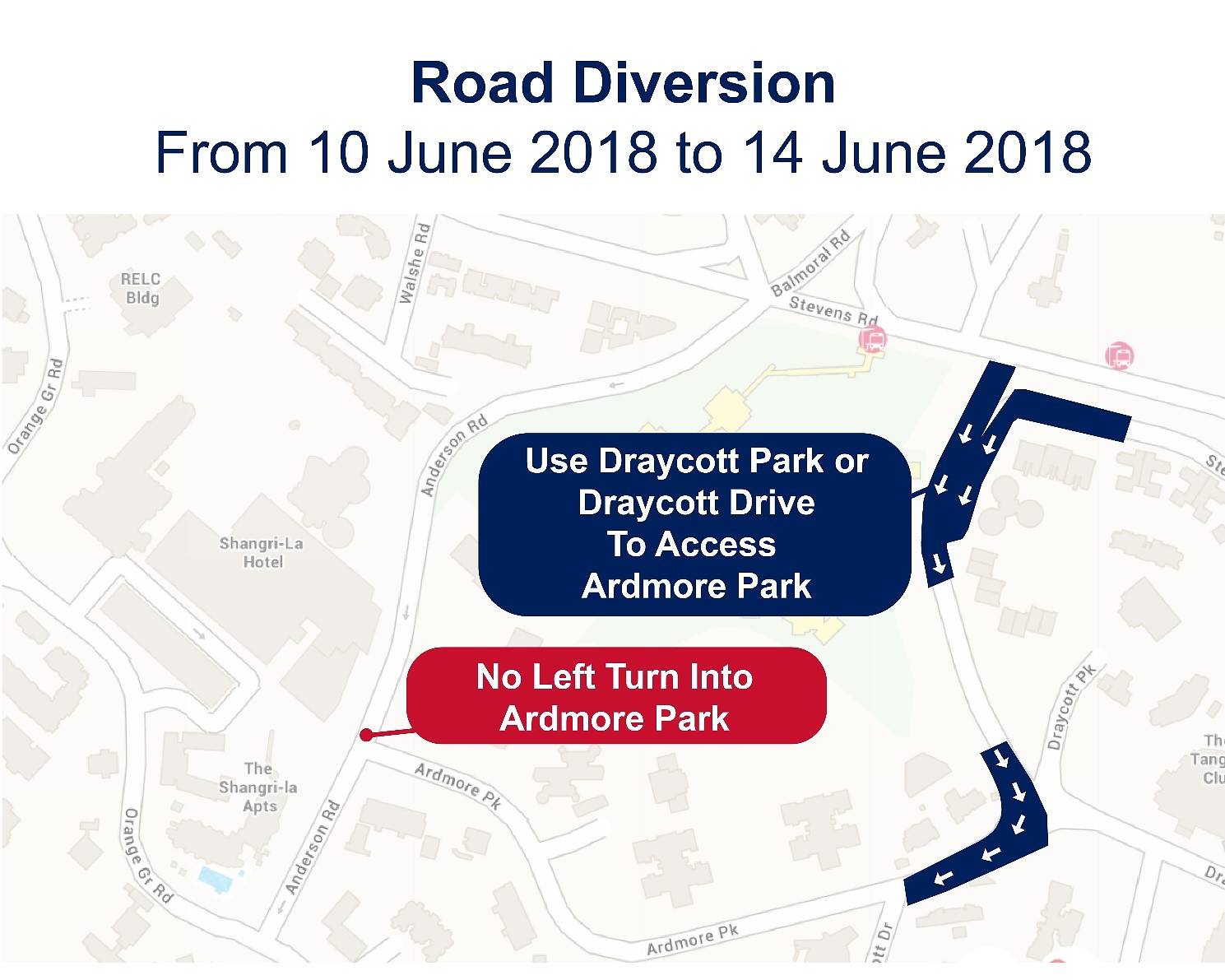
Commercial vehicles with car plates starting with G, W, X and Y will be restricted to Anderson Road. Such vehicles proceeding into Orange Grove Road are advised to use Ardmore Park via Draycott Drive or Draycott Park. Vehicular flow along Ardmore Park in the direction of Draycott Drive will be reversed.
Vehicular flow along Ardmore Park in the direction of Draycott Drive will be reversed. (Photo: SPF)
Road signages will be put up along the roads affected ahead of the summit. Information on road closures will also be put up on roads and through LTA’s Traffic News on 938 Now, Capital 958, Warna 94.2 and Oli 96.8 at regular intervals on the hour.
SPF and LTA added that motorcades may cause temporary delays and diversions in traffic.
BUS SERVICES AFFECTED
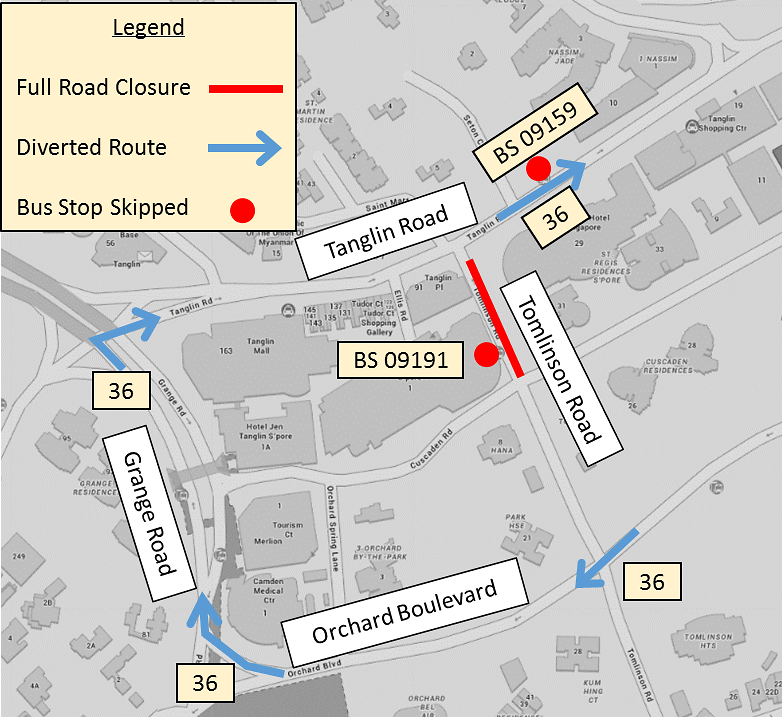
Two bus stops in Orchard will be closed and bus service 36 will be affected. They are the bus stop outside The Regent Singapore along Tomlinson Road (BE 09191), and the bus stop after Tomlinson Road along Tanglin Road (BS 09159).
Bus service 36 will skip the bus stop after Tomlinson Road along Tanglin Road (BS 09159) and the bus stop outside The Regent Singapore along Tomlinson Road (BE 09191). (Photo: SPF)
SINGAPORE: Two South Korean men were arrested on Thursday (Jun 7) for allegedly trespassing at the home of the North Korean ambassador at Joo Chiat Lane.
The men, aged 42 and 45, are working for South Korean broadcaster KBS News, said the Singapore police in a news release on Friday, adding that they were alerted to the case at about 3.50pm.
Two other South Koreans, a 31-year-old working for KBS News and a 29-year-old guide and interpreter for the group, are under investigation.
All three men from KBS News are not accredited media personnel in Singapore, police added.
The North Korean flag (right) seen at the entrance of the ambassador’s house at Joo Chiat Lane. (Photo: Fann Sim)
The arrests come days before Singapore is due to host the highly anticipated summit between President Donald Trump and Kim Jong Un on Jun 12. Authorities have reminded all foreigners visiting Singapore to abide by local laws.
“Those who break the law will be dealt with firmly, and this may include termination of visas and repatriation,” said the police.
“Members of the media who commit any offence in Singapore will also not be accredited and thus will not be able to cover the summit between the United States of America and the Democratic People’s Republic of Korea.”
If convicted of criminal trespass, the South Korean men could be jailed for up to three months, fined up to S$1,500 or both.
SINGAPORE: A Kim Jong Un lookalike said Friday (Jun 8) he was questioned on arrival in Singapore ahead of a historic United States-North Korea summit and told to stay away from sites linked to the event.
The Hong Kong-based impersonator, who goes by the name Howard X, has gained worldwide attention for his impressions of the North Korean leader in recent months.
A Kim Jong Un impersonator, who goes by the name Howard X, points up towards an artwork which resembles a rocket while dressed up as the North Korean leader in an underground station in Hong Kong on Jun 7, 2018. (Photo: AFP/Anthony Wallace)
He appeared at the Pyeongchang Winter Olympics alongside a Donald Trump lookalike, and the duo are set to take part in an alternative summit ahead of Tuesday’s meeting between the US president and Kim.
But the Kim impersonator said that when he arrived at the city-state’s Changi Airport he was stopped by an immigration officer and questioned for two hours. Channel NewsAsia has reached out to the Immigration & Checkpoints Authority for comment.
Kim Jong Un impersonator, who goes by the name Howard X, yawns on his sofa while dressed up as the North Korean leader, at his studio in Hong Kong on Jun 7, 2018. (Photo: AFP/Anthony Wallace)
“They (searched) my bags and then told me that this is a very sensitive time to be in Singapore and that I should stay away from the Sentosa Island as well as the Shangri-La hotel in town,” he said in a Facebook post.
Trump and Kim will hold their historic meeting on Sentosa, off Singapore’s main island, while Trump will reportedly stay in the five-star Shangri-La.
The lookalike said he was asked if he had participated in Hong Kong’s Occupy Central protest movement, to which he responded he had.
He said he was finally allowed to enter Singapore after the grilling, and that he was now “prepared for some fun during this historical moment”.
A Kim Jong Un impersonator, who goes by the name Howard X, gestures during an interview with AFP in his studio in Hong Kong on Jun 7, 2018. (Photo: AFP/Anthony Wallace)
The National Heritage Board’s year-long travelling exhibition features models of sites such as the former Tanjong Pagar Railway Station and Jurong Town Hall.
A Lego miniature model of the National Museum of Singapore is one of eight on display at a new travelling exhibition by the National Heritage Board. (Photo: National Heritage Board)
SINGAPORE: How do you cram iconic Singapore landmarks such as the former Tanjong Pagar Railway Station, the Sultan Mosque and Jurong Town Hall under one roof? Why, recreate them as Lego models, of course.
The National Heritage Board (NHB) unveiled a travelling exhibition featuring miniature models of eight monuments at the National Library Building yesterday (Jun 7).
Organised by the board’s Preservation of Sites and Monuments division, Building History: Monuments In Bricks and Blocks also features the Central Fire Station, Nanyang University Library, National Museum of Singapore, St Andrew’s Cathedral and Thian Hock Keng temple.
The year-long exhibit will be up at the National Library until Jun 30, before traveling to the different libraries in Marine Parade, Jurong, Tampines, Ang Mo Kio, Sengkang and Choa Chu Kang.
“We hope to showcase our monuments in a fun and accessible manner, make them more appealing to children and youth, and in doing so, cultivate the next generation of monument lovers,” said Alvin Tan, Assistant Chief Executive (Policy & Community), NHB.
The monuments, which were constructed using over 110,000 toy bricks by artists from My Little Brick Shop, were chosen for their diverse architectural styles.
From now until Jun 30, visitors can also stand a chance to win Lego models by guessing the number of bricks used to build the largest model, the Sultan Mosque. They can upload a photo of the model on their personal Facebook or Instagram accounts, along with their guess and hashtags #BuildingHistorySG #librarysg.
Just how accurate to detail are these Lego models? Compare and find out.
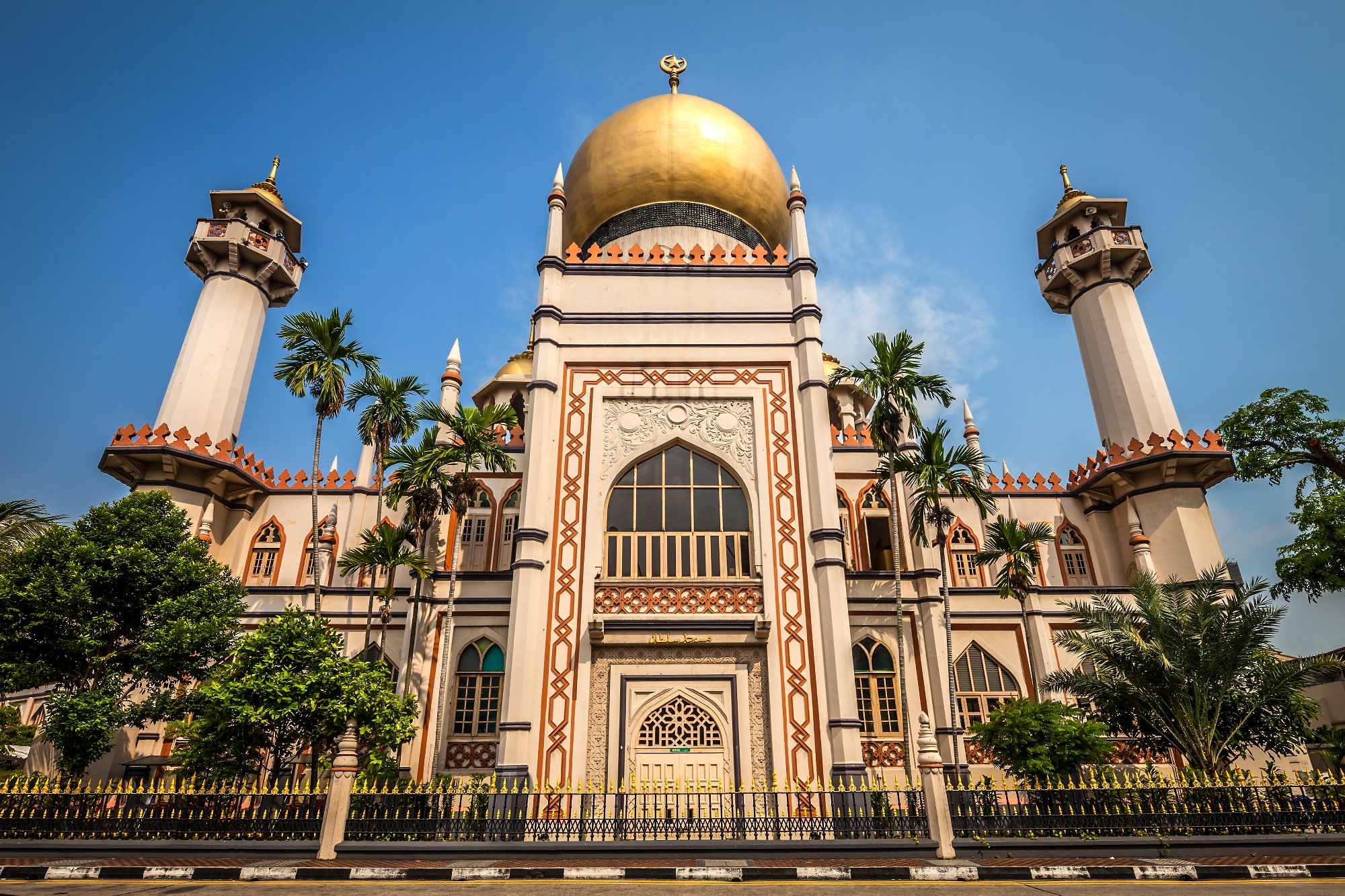
1. SULTAN MOSQUE
This version of the Sultan Mosque was built in 1932 to replace the original structure from the 1920s. (Photo: National Heritage Board)
The Sultan Mosque. (Photo: National Heritage Board)
2. THIAN HOCK KENG TEMPLE
The Thian Hock Kheng Temple, build in 1842, is one of the oldest Chinese temples in Singapore. (Photo: National Heritage Board)
The Thian Hock Keng temple. (Photo: National Heritage Board)
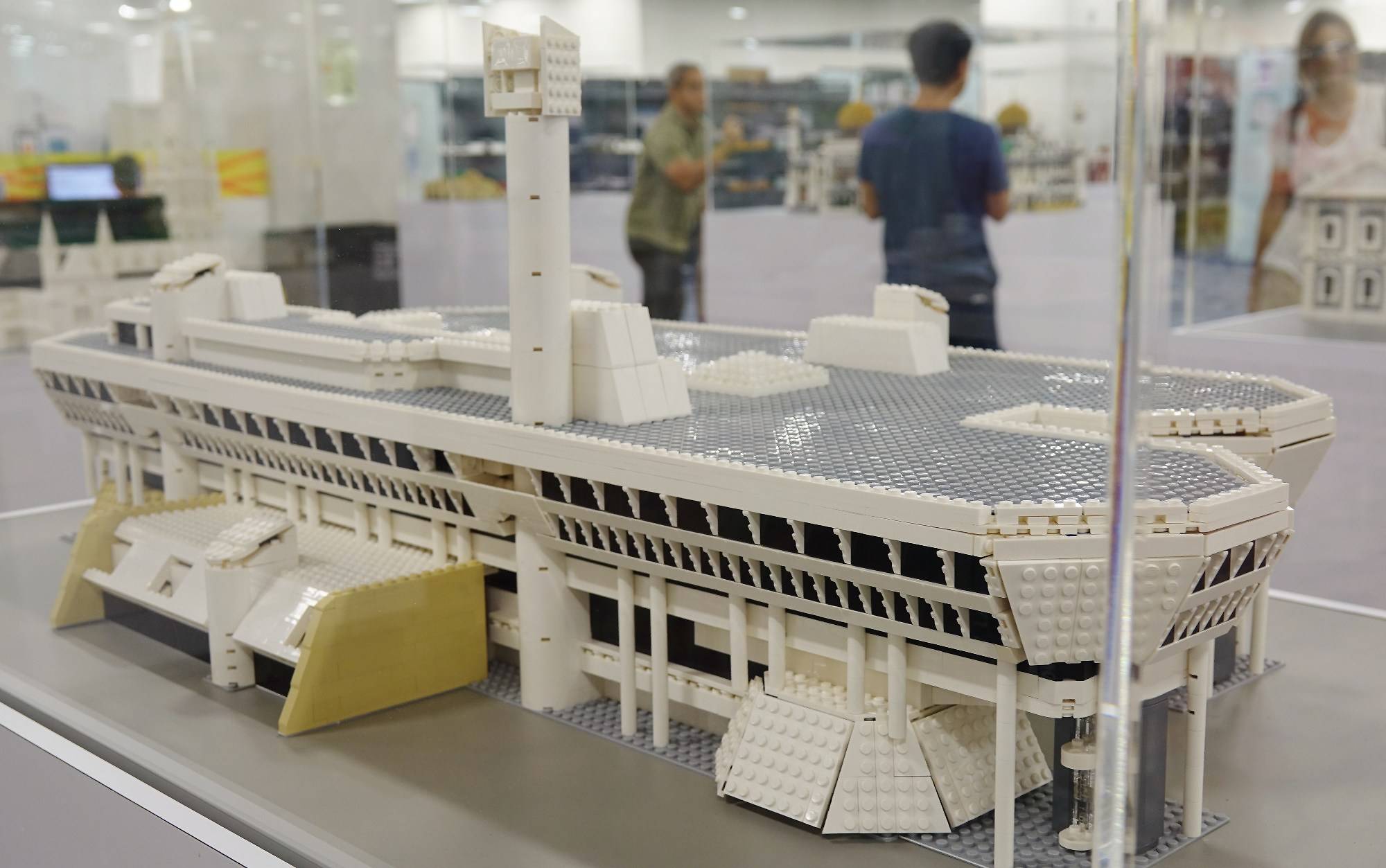
3. JURONG TOWN HALL
The modernist Jurong Town Hall was built in 1974. (Photo: National Heritage Board)
Jurong Town Hall. (Photo: National Heritage Board)
4. CENTRAL FIRE STATION
Built in 1909, the Central Fire Station is the country’s oldest surviving fire station and is still active today. (Photo: National Heritage Board)
The Central Fire Station. (Photo: National Heritage Board)
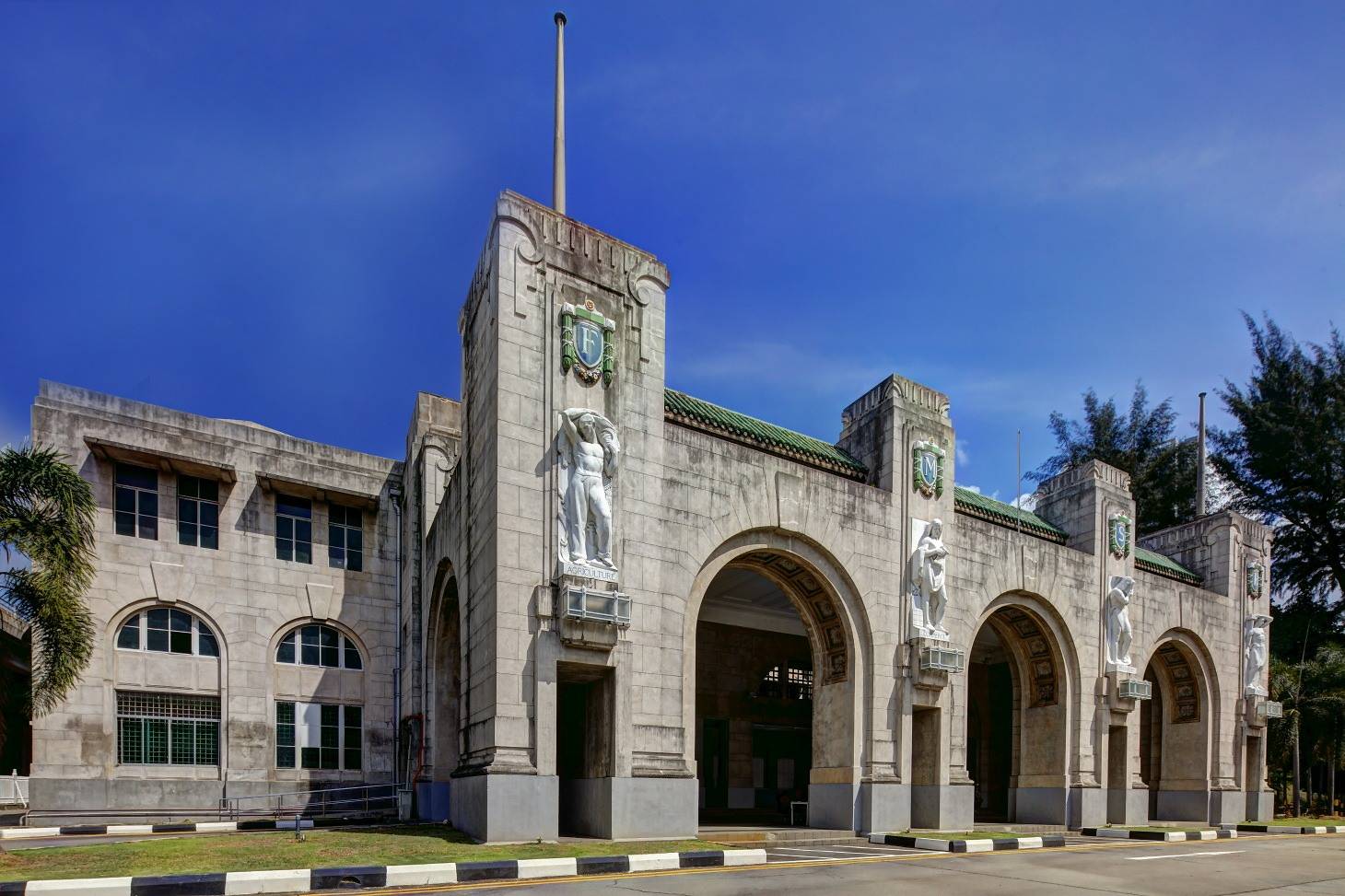
5. FORMER TANJONG PAGAR RAILWAY STATION
The former Tanjong Pagar Railway Station, with its Art Deco design, was built in 1931. (Photo: National Heritage Board)
The former Tanjong Pagar Railway Station. (Photo: National Heritage Board)
6. ST. ANDREW’S CATHEDRAL
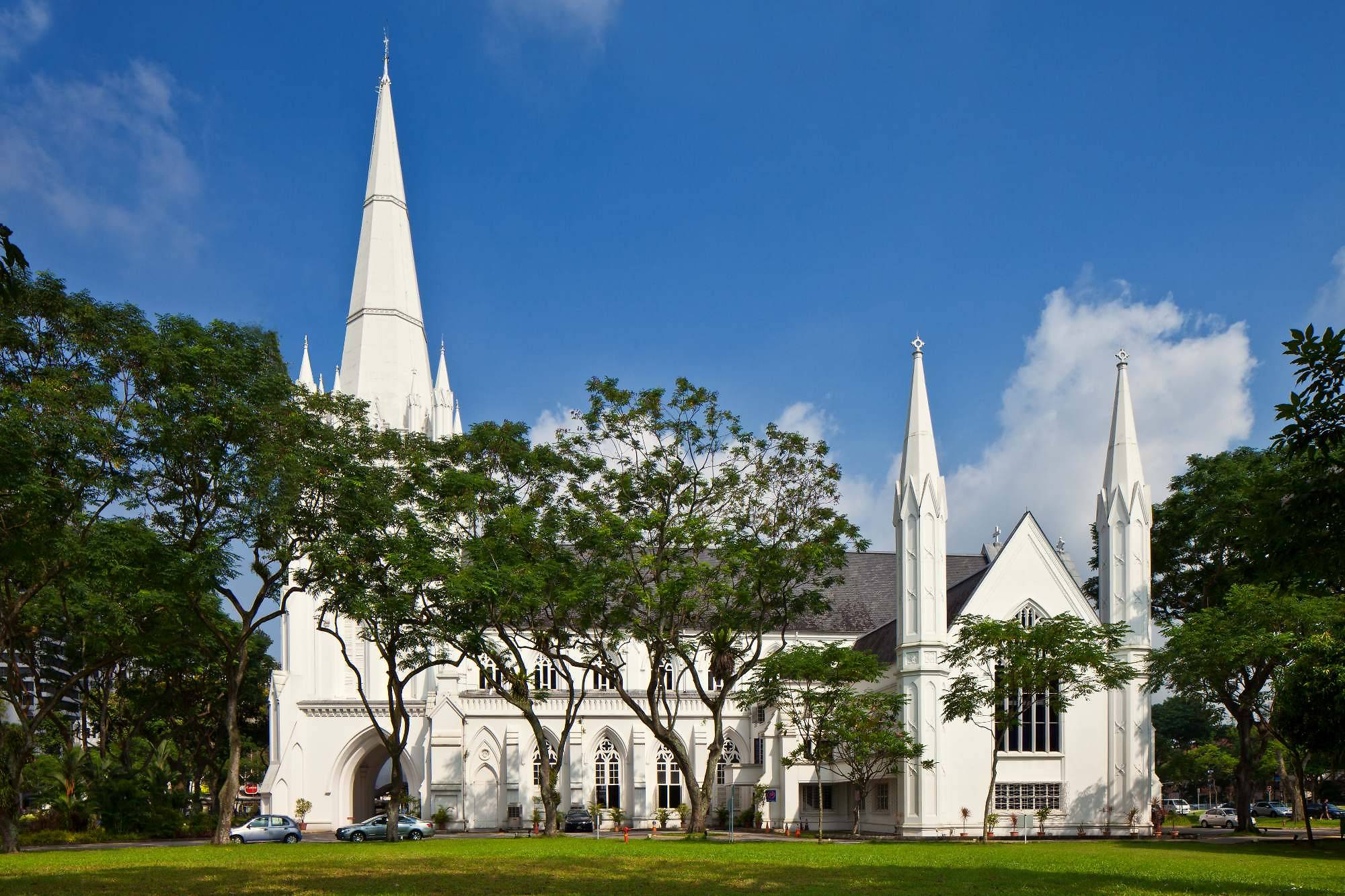
The St. Andrew’s Cathedral, built in 1861, is the oldest surviving Anglican place of worship in Singapore. (Photo: National Heritage Board)
St. Andrew’s Cathedral. (Photo: National Heritage Board)
7. FORMER NANYANG UNIVERSITY LIBRARY
The former Nanyang University Library, built in 1955, is now home to the Chinese Heritage Centre. (Photo: National Heritage Board)
The former Nanyang University Library. (Photo: National Heritage Board)
8. NATIONAL MUSEUM OF SINGAPORE
The National Museum of Singapore building was built in 1887. (Photo: National Heritage Board)
The National Museum of Singapore. (Photo: National Heritage Board)
SINGAPORE: Ninety-one suspected drug offenders were arrested following a five-day islandwide operation, said the Central Narcotics Bureau (CNB) on Friday (Jun 8).
The operation, which ran from Jun 2 to Jun 7, was conducted at areas such as Bishan, Bukit Batok, Bukit Panjang, Choa Chu Kang, Clementi, Marsiling, Punggol, Tampines, Teck Whye and Toa Payoh.
CNB also seized 48g of Ice, 12g of heroin, 32g of cannabis, 23 ecstasy tablets and 55 Erimin-5 tablets.
Drugs and drug paraphernalia seized during a CNB raid on a unit at Chin Swee Road on Jun 5, 2018. (Photo: CNB)
During the operation, authorities also raided a unit near Chin Swee Road which was used as a drug den. Five Singaporeans and a Malaysian aged between 22 and 34 were arrested, including two suspected drug traffickers.
Ice, a digital weighing scale and some improvised drug-smoking apparatus were recovered from the unit.
A four-year-old girl was found in the unit during the raid, and sachets of Ice left within her reach, said CNB. Her mother, a 22-year-old suspected drug abuser, was one of the six arrested.
The girl has since been handed to the Ministry of Social and Family Development’s Child Protective Services to ensure she receives continued care under an immediate family member.
Investigations into the drug activities of all the arrested people are ongoing, said CNB.
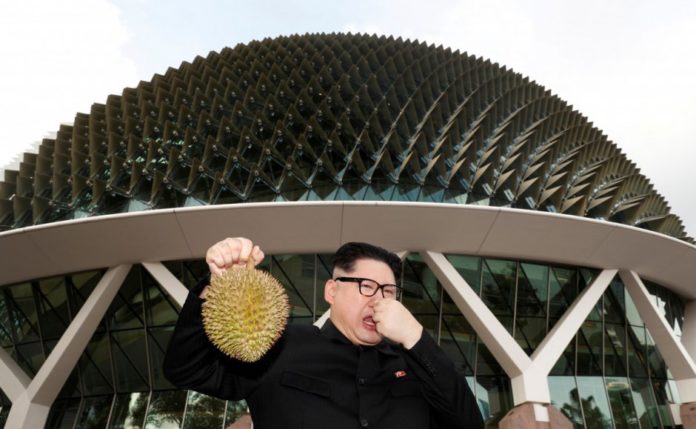
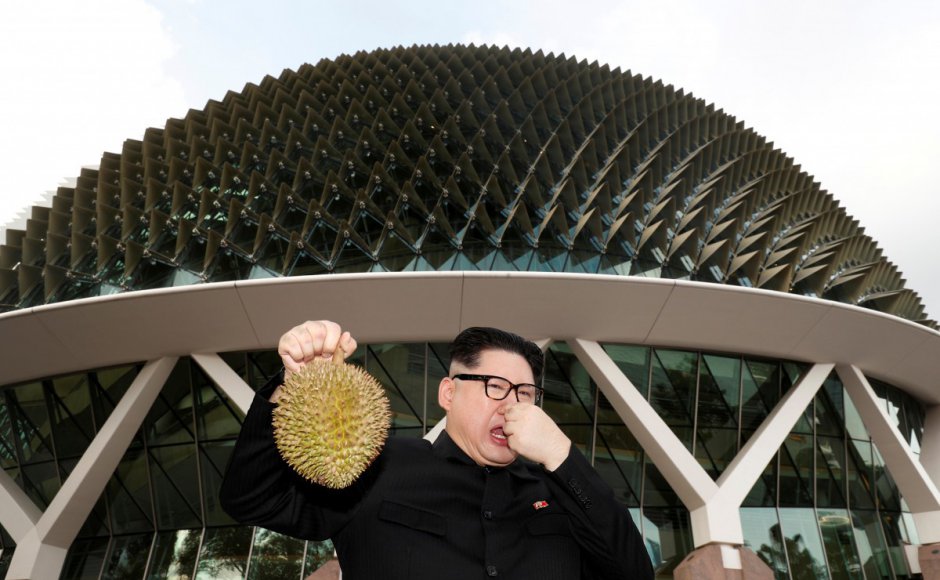
Howard, an Australian-Chinese impersonating North Korean leader Kim Jong Un, poses with a durian at the Esplanade in Singapore May 27, 2018. Source: Reuters/Edgar Su
HONG KONG based entertainer Howard X, best known for impersonating North Korean leader Kim Jong Un, has been held by Singaporean authorities ahead of the anticipated summit between Kim and US President Donald Trump.
The Chinese-Australian told Bloomberg News he had been held by immigration authorities for two hours at Changi Airport after returning to the city-state ahead of the meetings, being warned to stay away from venues for the summit.
“They asked me about what my political views were and if I had been involved with protests or riots in other countries,” Howard X was quoted as saying.
“I feel they were trying to intimidate me, but if I got deported it would have been big news.”
Singapore has boosted already-tight security ahead of the Trump-Kim summit, particularly at Sentosa Island where the meetings are to be held as well as the central region where its foreign ministry, the US embassy and international hotels are located.
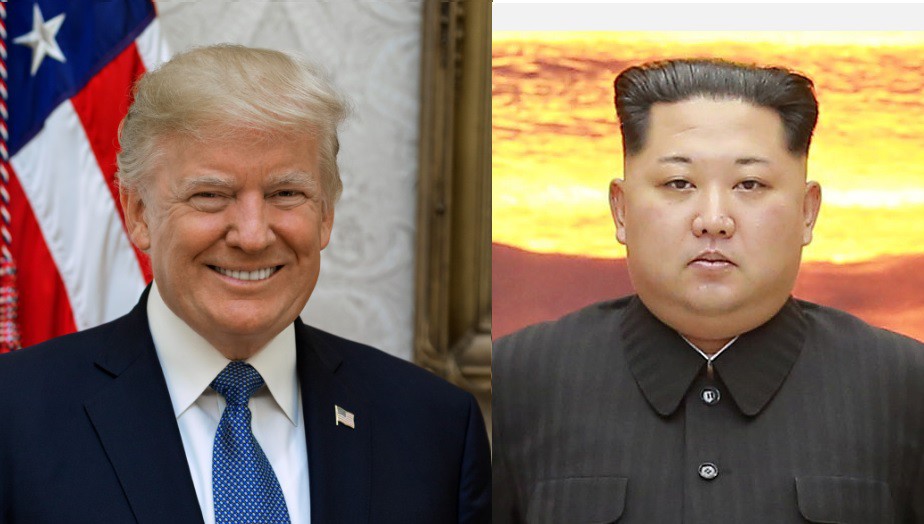
Source: Wiki Commons
It will be the first time an incumbent US President has ever met the North Korean leader.
Trump and Kim are expected to discuss peace on the Korean Peninsula, with Washington pushing for Pyongyang’s denuclearisation.
Isn’t it Ironic? Getting ready to go to the G-7 in Canada to fight for our country on Trade (we have the worst trade deals ever made), then off to Singapore to meet with North Korea & the Nuclear Problem…But back home we still have the 13 Angry Democrats pushing the Witch Hunt!
In late May, Howard shocked pedestrians near Singapore’s Marina Bay Sands while in-character, posing for photos with onlookers with Southeast Asia’s iconic durian fruit.
Bloomberg reported that he is scheduled to appear at several events with Trump impersonator Dennis Alan, the two having been offered sponsorship to attend publicity events by local firms.
“The original goal was to come and enjoy the historic moment and get into character,” he said. “I hope the first priority of the real meeting is to have Kim stop shooting off missiles and destabilising the region.”
He previously also made an appearance at the Winter Olympics in Gangneung in South Korea in February, bewildering North Korean cheerleaders who initially thought their leader had walked into a hockey stadium.
SINGAPORE: Technology has changed the way we live, work and learn.
Businesses are relentlessly using technology to trim costs and create new products, driven by a motive to maximise profit but it is in society’s interest that businesses also employ technology to other ends.
The disruptive nature of technology naturally creates unemployment and consequently job vacancies as old business models wither and give way to new ones.
The complications of technology’s disruptive nature manifest in two ways. The number of displaced workers is likely outnumber new job vacancies in the short term.
At the same time, the presence of these new job vacancies implies that existing workers subsequently retrenched do not have the new skills needed in these new roles.
POCKETS OF LAYOFFS
Some say Singapore seem to be coping fine with disruption, where it was recently reported that Singapore’s GDP in the first quarter grew 1.7 per cent, while unemployment and retrenchments over the same period have fallen.
While retrenchments have fallen to a seven-year low, suggesting an improved economic outlook with fewer firms needing to lay off workers, we have to be mindful that there may be still pockets of layoffs in some firms and sectors due to technological disruption and business restructuring as the economy transforms, NTUC assistant secretary-general Patrick Tay said a month ago.
File photo of workers labelling healthcare products at a production line in a company in Singapore. (Photo: AFP/Roslan Rahman)
So we must train the unemployed and retrain workers fast. In this, technology must be employed to train workers to fill out these job vacancies to keep pace with technology’s creation of unemployment.
It is only when we can use technology to convert unfilled job vacancies to filled vacancies that we can say technology is neutral to job markets.
But technology is not neutral to job markets now. As long as companies are motivated to employ technology to create new business opportunities, products and services and are financially rewarded so, the training role of technology in reskilling workers to fill new roles will lag behind.
To the extent that there is little business imperative for companies to aid workers to transition into new roles, it can be said that there is market failure in training and government intervention should be expected. But how to intervene is not so straightforward.
HELP WORKERS MOVE INTO NEW GROWTH AREAS
A typical firm normally will use 70 per cent of its resources to at least maintain their market share in existing products, devote 20 per cent to boosting related products and focus 10 per cent on creating new products, based on business surveys. Companies use technology to compete in all these three lines of activities.
As we expect, new technologies will lead jobs engaged in the production of existing products to be redundant while there may be both job displacement and new vacancies in the production of related products. Most new roles are created in the production of new products.
Since all three activities are under one top management, it seems incumbent on company leaders to make reskilling existing workers a priority so that job vacancies can be filled quickly by people already familiar with the company’s operations and practices.
An elderly worker using a mobile phone. (Photo: Jeremy Long)
The most agile and innovative companies already attract strong talent yet so many organisations are obsessed with chasing after new talent rather than retaining those they have.
A mindset shift may be needed where the most vulnerable workers in this regard are matured, middle-aged workers.
Reskilling a company’s current manpower, rather than looking for, onboarding and training young hires, seems like a more time and cost-effective approach to human capital management for companies.
From a macro-economic perspective, it is also a more efficient approach to job-skills matching in a tight labour market, and as the economy restructures.
It is also better for the firm and for society if all firms reskill their workers in order to help them keep their jobs.
Retrenched, matured workers may otherwise spend months and years searching for a new position and gaining needed skills to be competent in their role.
Where companies already expend resources to help talent progress through the ranks within, there is a case to be made for companies to similarly focus on reskilling existing workers with the required skills to prepare them for another job within the same firm.
To a company, it is a question of marginal cost versus marginal benefit. If a worker is redundant, the firm will retrench him or her. If a new position is required, the firm will recruit from the labour market.
But if reskilling is cheaper, the firm will retrain the worker and transfer him or her into the new role.
INCENTIVISE FIRMS TO RETAIN WORKERS
From a public policy perspective, we should reduce the costs of reskilling and increase the costs to companies if they do not reskill their workers.
The Government can and has done this through a mix of tax incentives, grants and other catalysts. Over recent years, it has introduced initiatives like SkillsFuture and worked through organisations like the Labour Movement to enhance job matching for the Singapore workforce.
The Government also understands the need to aid older workers who may be the most vulnerable group. A new tripartite workgroup will be set up to look into the concerns of older workers, Manpower Minister Josephine Teo recently announced, highlighting that one in three workers in Singapore is above 50 and have anxieties about the future as technology disrupts businesses and jobs.
Manpower Minister Josephine Teo speaks to the media on May 28, 2018. (Photo: Fann Sim)
All firms in Singapore need to foot a Skills Development Levy under the Skills Development Levy Act. Payable at 0.25 per cent of the monthly remuneration for each employee, and administered by SkillsFuture Singapore, the funds are used to subsidise firms when they retrain their workers.
The Government could tap on these funds to give more subsidies to firms who reskill existing workers for new roles in the firm’s growth areas.
By helping firms to fill positions of potentially high growth, this also supports our public policy objective of encouraging innovation and supporting companies who take calculated risks.
When firms reskill existing workers for the production of new products, there is little economies of scale and the new product may be risky and short-lived. So reskilling rather than hiring can save companies recruitment and other transactional costs involved in setting up a new team, making innovation “cheaper”.
The psychological benefits can also be immense as the firm’s manpower sees that firm is innovative and at the same time, looks after their interests.
A blunt tool is to give firms that do not reskill their workers a lower priority in terms of Employment Passes for foreign job applicants, but this may not be appropriate to all sectors, especially those experiencing a talent crunch or smaller companies and start-ups that might have less flexibility in hiring.
Another option is to boost job matching for retrenched older workers. In this, the Government could encourage internships for this segment of the workforce and reward firms if they eventually hire them with a good wage.
Some defrayment of wages is already provided through the Career Support Programme but it doesn’t encourage firms to retain workers after 12 months when support tapers off.
GAINFUL EMPLOYMENT
The best way to improve the lives of Singapore’s workers is gainful employment, in good jobs with good wages, said Labour Chief and Minister in the Prime Minister’s Office Ng Chee Meng on Tuesday (May 15) in Parliament.
“It is critical that our businesses take the lead and do the right thing, that when our workers do their best, remember to share the gains with their workers and give them what is fairly theirs”, he said.
This also applies in helping older, matured workers deal with disruption, where they in turn can contribute back to a company’s goals, given their years of experience and knowledge of the business.
So we should focus our efforts on tackling this chief manpower challenge.
Chew Soon Beng is professor of economics and industrial relations at Nanyang Technological University.
SINGAPORE: Prime Minister Lee Hsien Loong joined more than 700 residents for iftar, or the breaking of fast, at the Masjid Maarof in Jurong West on Thursday evening (Jun 7).
Mr Lee toured the mosque before joining congregants for a meal of nasi padang, teh tarik and dates.
The mosque, which opened in 2016, is equipped with facilities for congregants with limited mobility and has features that enhance the experience of hearing and visually impaired worshippers.
“To have a non-Muslim coming here, let alone the PM, coming to the mosque gave me a new kind of experience. It’s a rare occasion,” said Ms Iffah Fazira, a marketing communications officer at the mosque.
Prime Minister Lee Hsien Loong greets attendees at an iftar session organised by the Islamic Religious Council at Masjid Maarof. (Photo: Jeremy Long)
Mr Muhammad Dzulqarnain, 30, a mosque religious officer, said he was seated just behind Mr Lee and managed to “sneak a selfie”.
“It’s my first time breaking fast with the PM … I felt very honoured that he chose to come to this mosque,” he told Channel NewsAsia.
Prime Minister Lee Hsien Loong admiring a mini-exhibition at Masjid Maarof together with religious, community and grassroots leaders. (Photo: Jeremy Long)
Also in attendance were Minister-in-charge of Muslim Affairs Masagos Zulkifli and the chief executive of the Islamic Religious Council of Singapore, Abdul Razak Hassan Maricar.
“This is a uniquely Singaporean way of how Muslims here celebrate and share significant moments with the wider community and is an avenue where we strengthen relationships,” said Mr Masagos, who is also Minister for the Environment and Water Resources.
“Masjid Maarof exemplifies this value of sharing and spreading rahmah (compassion in Arabic) by going door-to-door in the neighbouring residential estates with food hampers outside of Ramadan, for families on zakat assistance and to nearby residents of the NTUC Welfare Home.”
Prime Minister Lee Hsien Loong joins religious, community and grassroots leaders for iftar organised by the Islamic Religious Council of Singapore at Masjid Maarof. (Photo: Jeremy Long)